If you’re planning a trip to South Africa, this 3-week South Africa itinerary is the perfect place to start. Combining vibrant cities, stunning natural landscapes and unforgettable wildlife encounters, it showcases the best of the country in just 3 weeks.
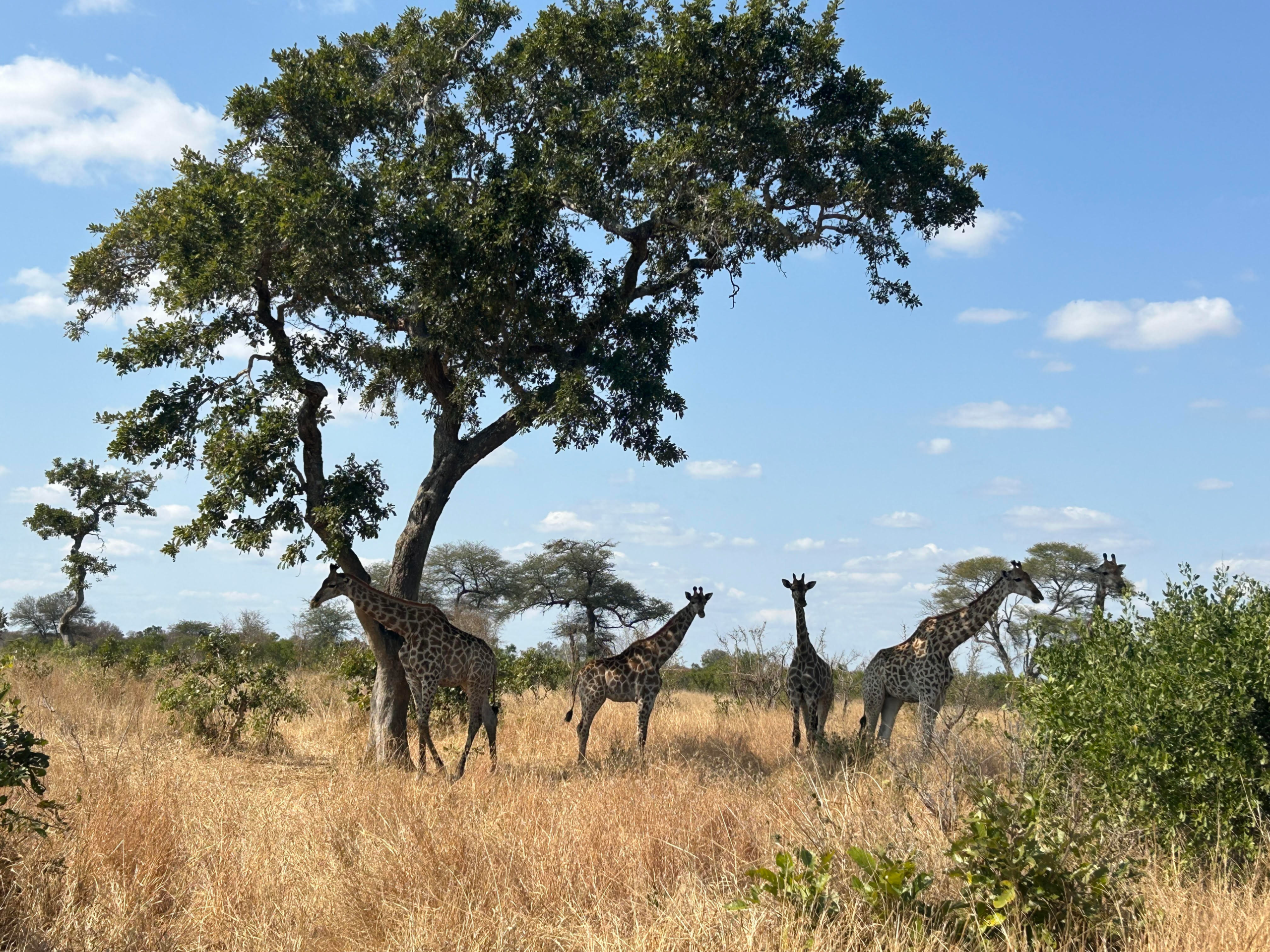
This itinerary is especially ideal for wildlife lovers. From spotting wild baboons on the roadside to game drives in the world-famous Kruger National park, you’ll have countless opportunities to see South Africa’s diverse wildlife. With a bit of luck, you’ll tick off the Big Five, or even the Big Seven if you go whale-watching in Hermanus or cage-diving with Great White Sharks in Gansbaai.
Highlights of this 3-week South Africa itinerary include ascending Table Mountain in Cape Town, driving the Garden Route, visiting the southernmost point of the African continent at Cape Agulhas and self-drive safaris at Addo Elephant National Park.
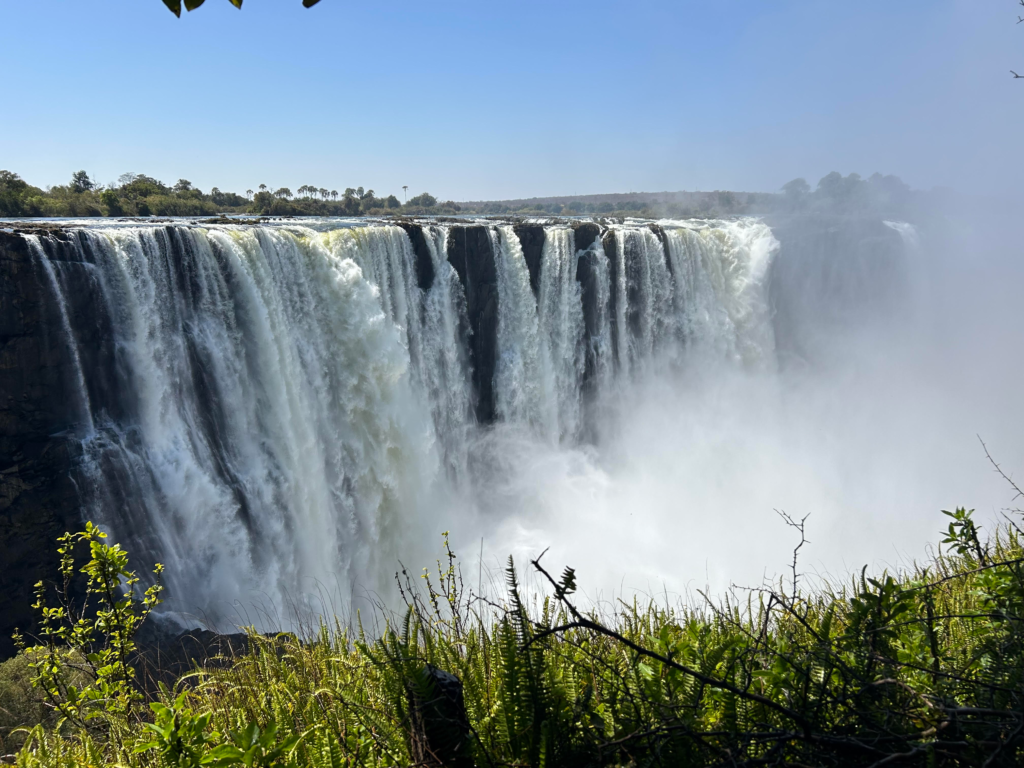
With some extra time, you could also visit Victoria Falls in Zimbabwe and Zambia, one of the Seven Wonders of the Natural World.
About this 3-Week South Africa Itinerary
This 3-week South Africa itinerary is designed as a self-drive road trip, requiring two rental cars and two internal flights. It is based on having return flights in and out of Johannesburg OR Tambo International Airport, which is often the most cost-effective choice for travellers.
The first car will be picked up in Johannesburg, and you will drive to Kruger National Park.
From Kruger, you can either fly directly to Cape Town or return the car to Johannesburg and fly from there, this may be the cheaper option as it avoids a one-way rental fee.
In Cape Town, you will hire a second car and drive along the Garden Route to Port Elizabeth where you will drop off the car, before flying back to Johannesburg.
There are many toll roads between destinations in this itinerary. Aside from the Chapman’s Peak Drive, the vast majority of tolls only accept South African cards. Make sure to carry cash with you when travelling, I learnt this the hard way.
3-Week South Africa Itinerary Overview
- Day 1 & 2 – Johannesburg
- Day 3 & 4 – Johannesburg to Kruger National Park via Panorama Route
- Day 4, 5 & 6 – Kruger National Park
- Day 7 – Kruger National Park to Cape Town
- Day 8, 9 & 10 – Cape Town
- Day 11 & 12 – Cape Winelands
- Day 13 – Cape Winelands to Hermanus via Betty’s Bay
- Day 14 – Hermanus to Mossel Bay via Cape Agulhas
- Day 15 – 18 – Garden Route
- Day 15 – Mossel Bay to Wilderness via Oudtshoorn
- Day 16 – Wilderness to Knysna
- Day 17 – Knysna to Plettenberg Bay
- Day 18 – Plettenberg Bay to Jeffrey’s Bay via Storm’s River
- Day 19 – Jeffrey’s Bay to Addo Elephant National Park
- Day 20 – Addo Elephant National Park to Johannesburg via Port Elizabeth
- Day 21 – Leave from Johannesburg
- BONUS – Side Trip to Victoria Falls
Day 1 & 2 – Arrive Johannesburg
Day 1 of this 3-week South Africa itinerary starts in Johannesburg where most travellers will start and end their trip.
Johannesburg, also known as “Joburg” or “Jozi” is South Africa’s largest city. Founded in the late 19th century after the discovery of gold, it has grown into an economic powerhouse in southern Africa.
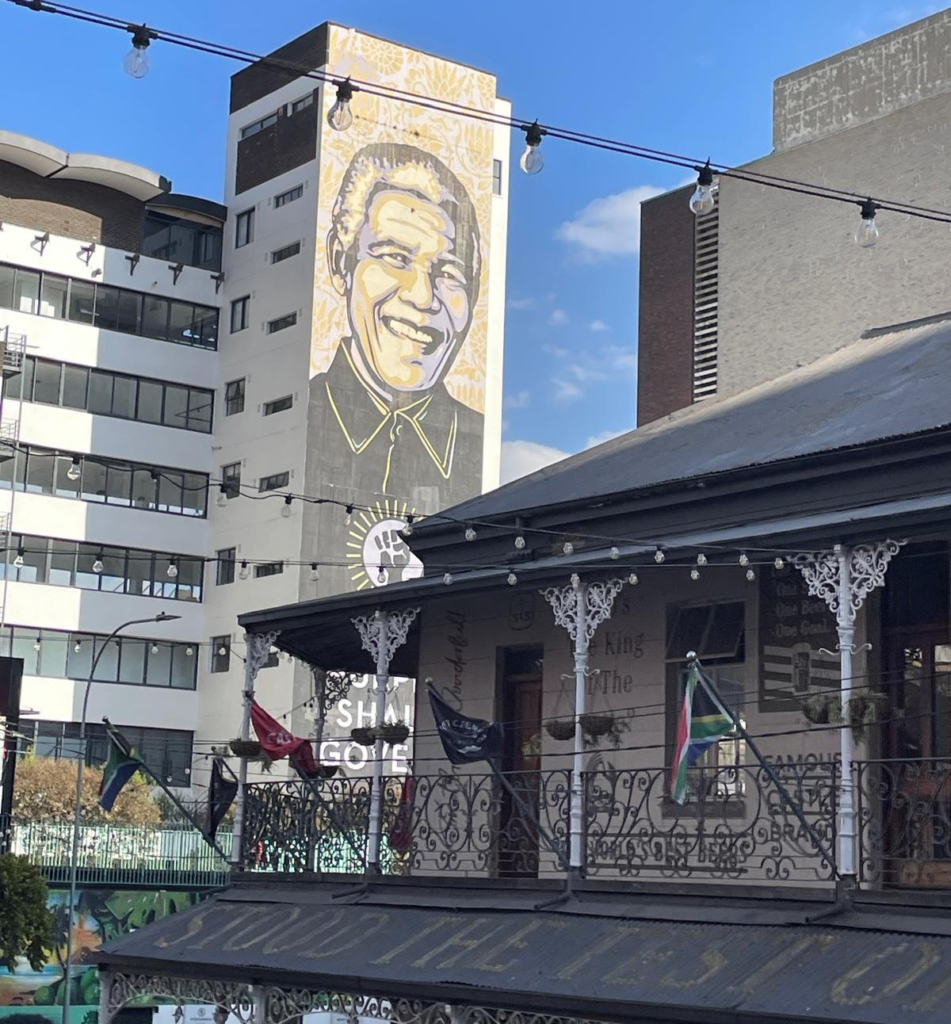
Johannesburg is often overlooked by tourists who want to experience the wildlife and natural beauty of South Africa. However, the city is well worth visiting. My time in Johannesburg is one of the most memorable moments from my trip to South Africa. I learnt so much about the country’s recent history that it really put the rest of my trip into perspective.
Arriving in Johannesburg
You will most likely arrive in South Africa at O.R. Tambo International Airport (JNB), the country’s busiest airport and a major hub for southern Africa.
To get into the city from the airport without a car, you can take an Uber or taxi, arrange a shuttle with your hotel, or take the Gautrain. The Gautrain offers a direct service between the airport and Johannesburg. There are stations in Sandton and Rosebank, and many hotels will offer a free shuttle from the station.
The first rental car of the 3-week South Africa itinerary will need to be picked up in Johannesburg, you can do this on arrival, or before heading to Kruger National Park.
Where to Stay in Johannesburg
Safety is often the number one concern for tourists visiting any city in South Africa – at least it was for me.
A quick google search revealed that most traveller’s stay in the northern suburbs rather than the city centre. Some of the safest suburbs in Johannesburg are Sandton, Melrose Arch and Rosebank.
I stayed at MINT Hotel 84 on Katherine in Sandton. The hotel had a restaurant which was open for breakfast, lunch and dinner. The food was good, the rooms were spacious and clean, and the staff were very friendly. If you want to relax after a long flight, then I would recommend a stay here.
Alternatively, you can stay in Rosebank, where there is plenty of shops, bars and restaurants. It is also conveniently located for my recommended sightseeing activity in Johannesburg.
Things to Do in Johannesburg
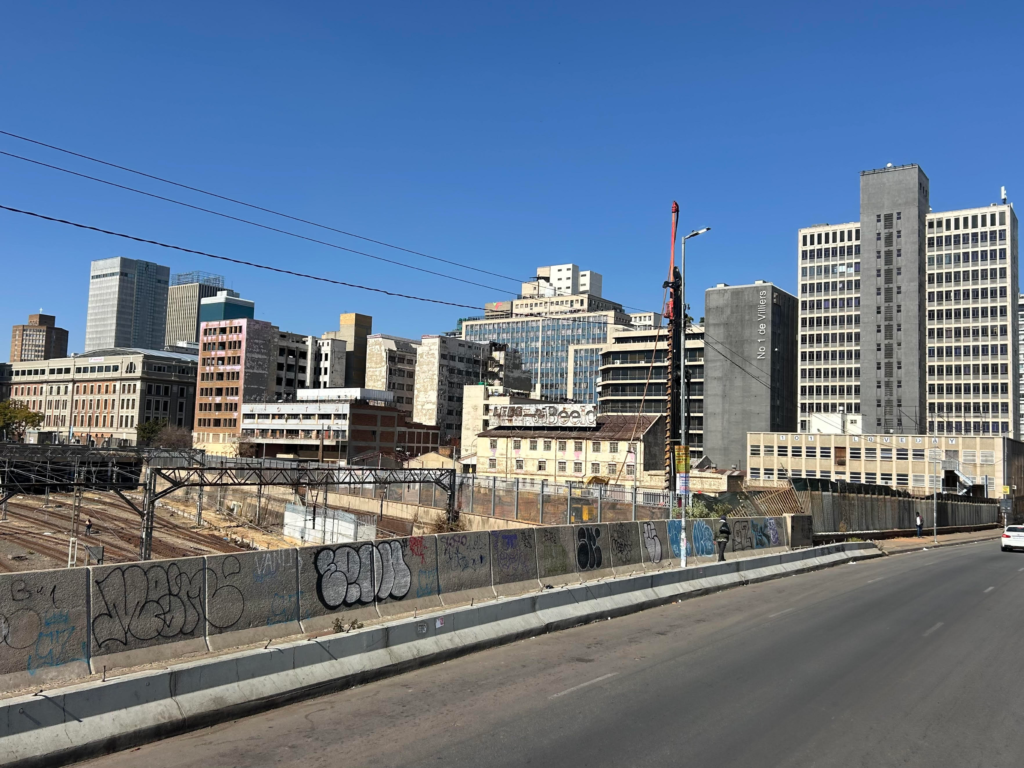
I recommend doing the Johannesburg City Sightseeing bus during your one day in Johannesburg. Make sure to stop at the Apartheid Museum and Constitution Hill to learn about South Africa’s recent history. Note the museum is closed on Mondays and Tuesdays.
Read my in-depth guide to the Perfect 1 Day in Johannesburg here.
Day 3 & 4 – Johannesburg to Kruger National Park via Panorama Route
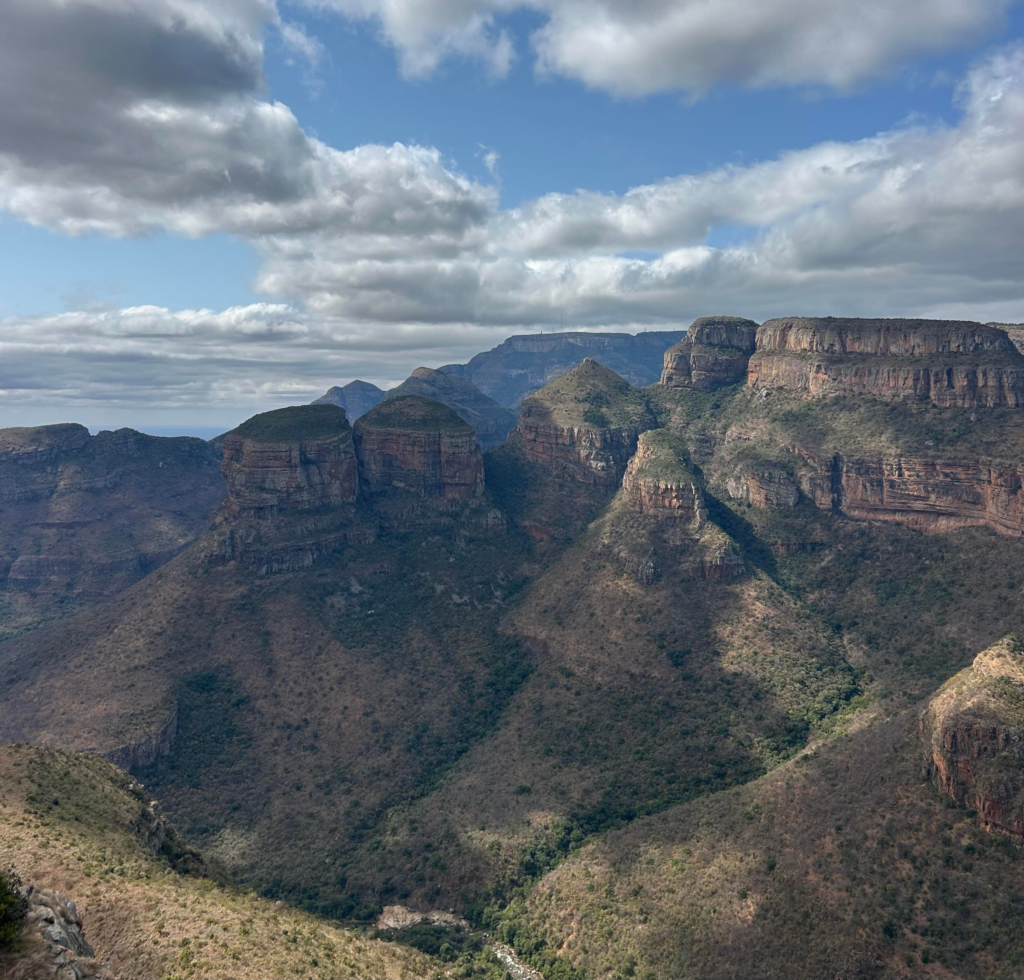
The Panorama Route is an 80 mile (130km) scenic drive located in the Mpumalanga province, known for its dramatic landscapes, waterfalls and viewpoints.
Conveniently located on the drive from Johannesburg to Kruger National Park, it is the perfect addition to a safari trip.
The Panorama Route can be experienced in one day, but it is best explored over two.
Where to Stay Along the Panorama Route?
Graskop, a small town located around 4.5 hours from Johannesburg and just 1 hour from Kruger’s Phabeni Gate, is the best place to spend the night.
Its central location makes it ideal for visiting the top sightseeing stops on the Panorama Route.
If you are in Graskop don’t forget to try Graskop Waffle Hut, the waffles are good and the staff are friendly.
Alternatively, you can stay in Hazyview, just a 20-minute drive from the Phabeni Gate giving access to southern Kruger.
Best Stops on the Panorama Route
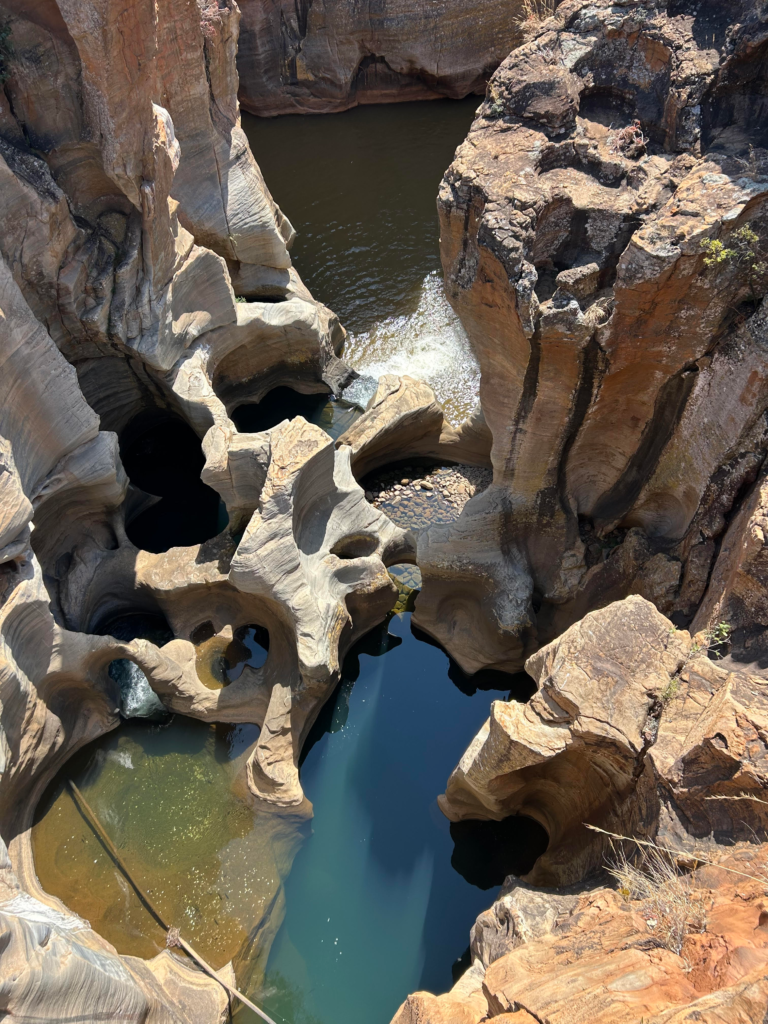
The Panorama Route starts at Misty Mountain on the Long Tom Pass and ends at Echo Caves. These are some of the best stops along the Panorama Route listed in driving order. Don’t miss Bourke’s Potholes and the Three Rondavels/Blyde River Canyon viewpoints.
- Misty Mountain – ride the Long Ton Tobogan
- Mac Mac Falls
- Graskop Gorge Lift – viewing elevator
- The Pinnacle – freestanding rock formation
- God’s Window Viewpoint – famous cliff-edge viewpoint
- Lisbon Falls
- Berlin Falls
- Bourke’s Luck Potholes -unique cylindrical rock holes caused by erosion
- Three Rondavels – most iconic stop on the Panorama Route
- Blyde River Canyon – panoramic viewpoint next to the Three Rondavels
- Echo Caves
The Panorama Route can be experienced in one day, but it is best explored over two.
Make sure to carry some cash as each stop charges an entrance fee and not all accept card payments.
Day 4, 5 & 6 – Kruger National Park
A 3-week South Africa itinerary wouldn’t be complete without a visit to the world-famous Kruger National Park.
Located in the northeastern corner of South Africa, along the border with Mozambique, Kruger is the oldest and largest national park in the country.
Home to the Big 5, it is one of the best safari destinations in the world, alongside the likes of the Masai Mara in Kenya, and the Serengeti in Tanzania.
This 3-day Kruger National Park itinerary will combine self-drive safaris with guided game drives.
Where to Visit in Kruger National Park?
Kruger is huge, similar in size to Belgium or Wales. Knowing which section of the park to visit is important when planning a trip here.
Kruger can be divided into three rough sections: southern, central and northern.
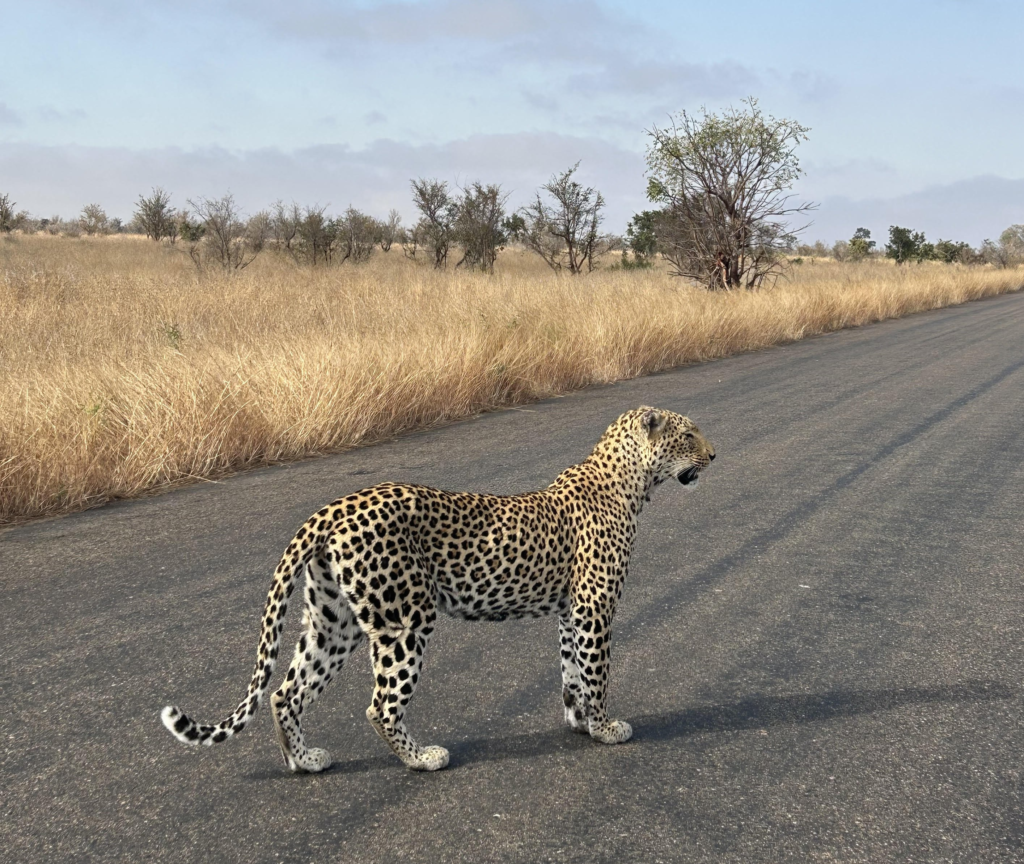
Southern Kruger has the highest concentration of animals and because of this, the largest number of visitors. This section of the park can get crowded. It is not uncommon to get stuck in a traffic jam when there is a wildlife sighting – especially big cats.
The Lower Sabie Camp in southern Kruger, is one of the best places to spot leopards.
The south is also home to the private game reserve of Sabi Sands.
Central Kruger is Big Cat territory. The large open savannahs around Satara Rest Camp, and its high numbers of prey, make this one of the best areas to see lions.
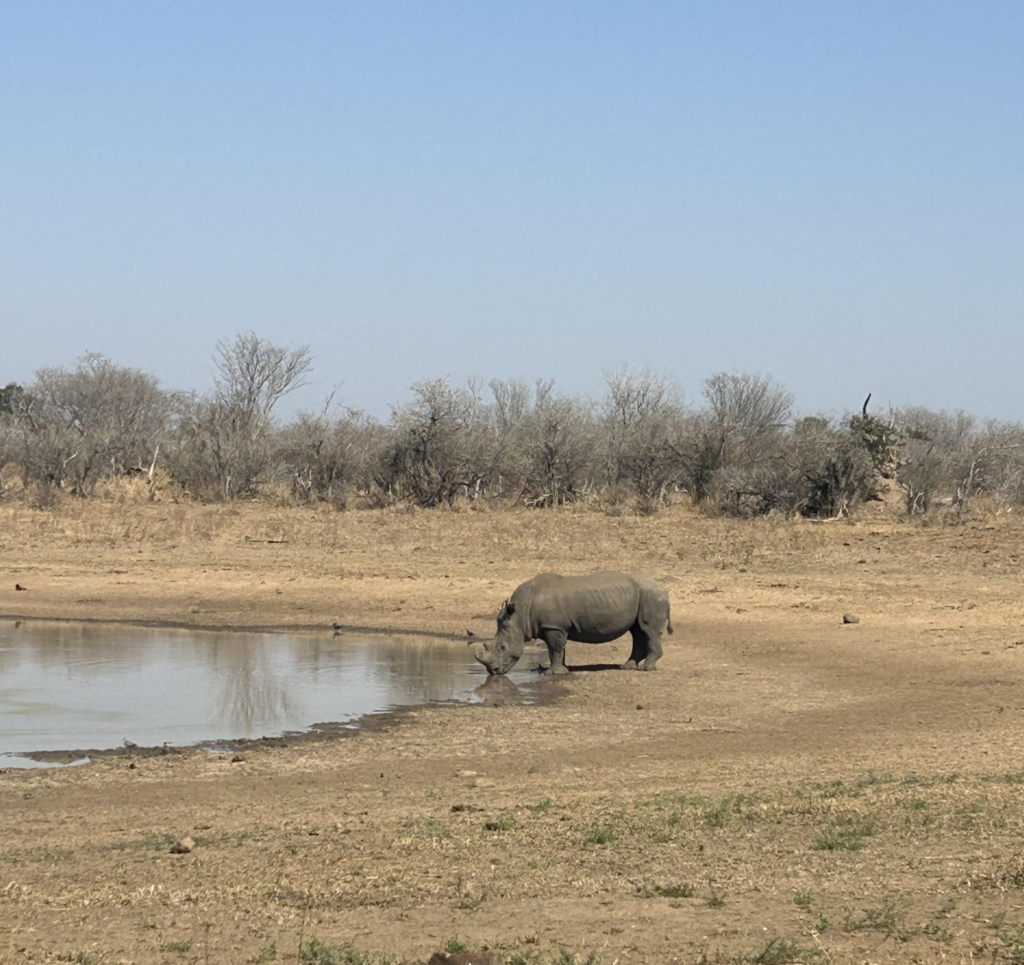
Although Central Kruger is popular, it is much less crowded than the south. You might get lucky and have a sighting to yourself for a while. I was fortunate to see a rhino at a watering hole, with no other cars about.
Northern Kruger is the most remote and least-visited section of the park. It has the lowest density of animals, but its tropical climate makes it great for birdwatching.
Focus your 3-day self-drive Kruger itinerary in the Southern and Central sections of the park.
Recommended 3-Day Self-Drive Kruger Itinerary
Enter the park through the Phabeni Gate, just an hour drive from Graskop, or 20-minutes from Hazyview.
If you want to spend the full day in Kruger, set off early and get there when the gate opens. The animals are more active in the early morning when the temperatures are cooler.
If you are continuing with the Panorama Route, make sure you leave yourself plenty of time to get to your Rest Camp for the night, as the entrance gates close around sunset.
Spend your first night in Satara Rest Camp, before driving to the Lower Sabie Rest Camp for your second night. On the third and final night, stay at Skukuza, where you will leave from the following day.
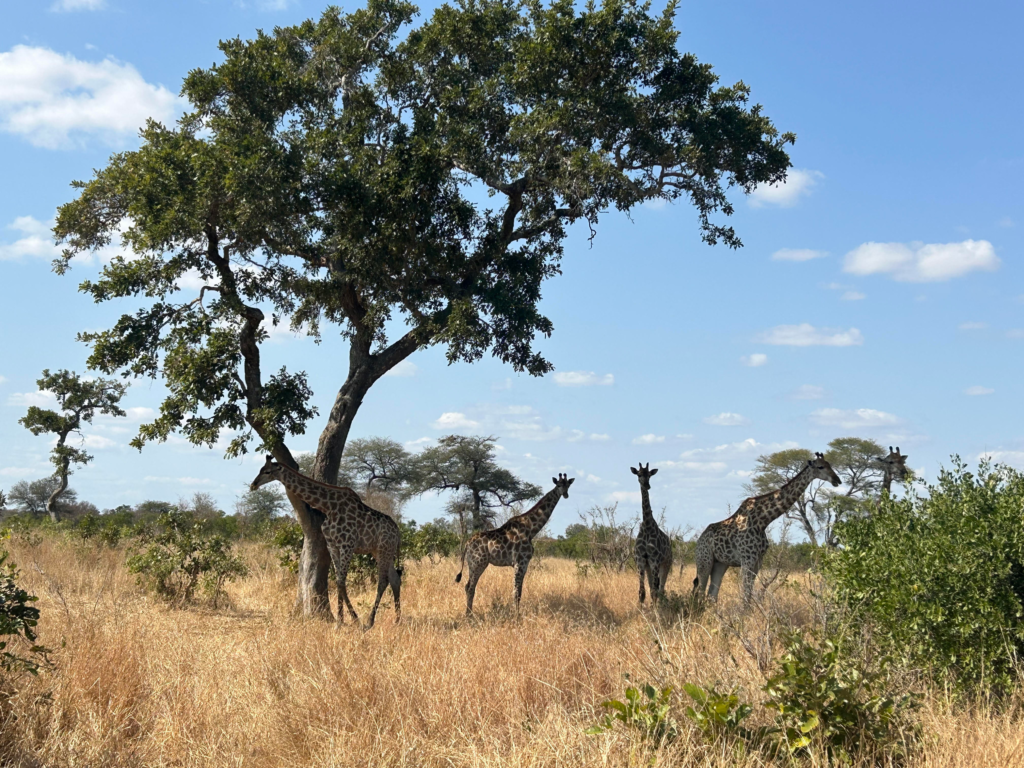
With this itinerary you are sure to spot the Big 5. You can book guided game drive from the rest camps or on the SANParks website.
Just remember, these sections of the park are popular for a reason, and you may encounter some crowds especially in high season.
Where to Stay in Kruger National Park?
When visiting Kruger, you have the option of staying inside or outside the park. I would recommend staying in the park.
When staying outside the park you need to ensure you have left before the entrance gate closes, or risk getting a fine. It can be extremely frustrating driving to the entrance at sunset when the wildlife is most active.
By staying inside the park, you can maximise your chances of wildlife sightings. Although you must be back at your Rest Camp by closing time too, you can spend your last hour driving close to the Rest Camps.
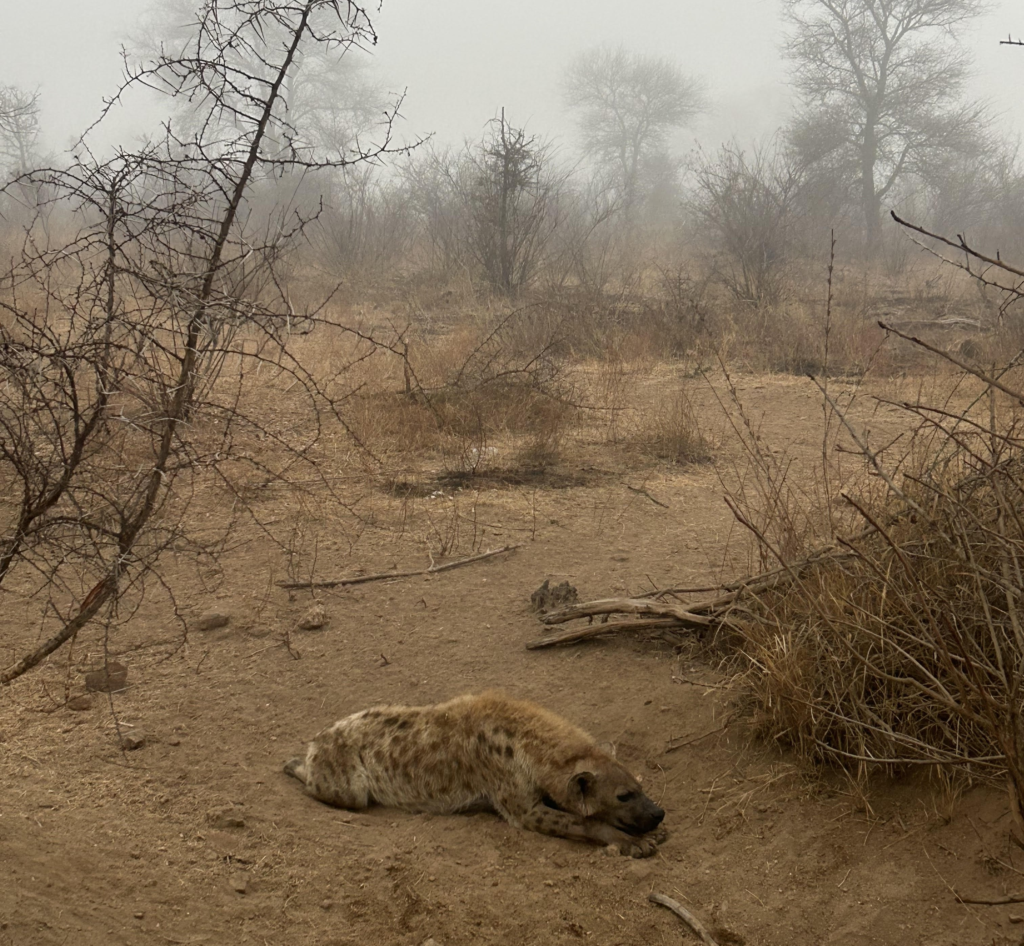
When I stayed at Skukuza Rest Camp, I was fortunate enough to see a pack of hyenas, a pride of lions and a leopard in a tree – all within a few minutes of the Rest Camp
When to Visit Kruger National Park?
The best time to visit Kruger is in the dry season, between May and September. During this time there is less rainfall which makes the vegetation sparser and wildlife easier to spot. With the lack of water, animals are more likely to congregate around watering holes also.
How Much Does it Cost to Visit Kruger National Park?
Visitors are charged a “Daily Conservation Fee” when entering Kruger National Park. Conservation fees are different for South African Citizens & Residents, SADC Nationals and International Visitors. Rates are reduced for children aged 2 to 11 years.
The Daily Conservation Fee for an Adult (12+ years) from 1 November 2025 is R 602 (around 35 USD or 26 GBP). Alternatively, you can buy a SANParks Wild Card which allows visitors 365 days of unlimited access to South Africa’s National Parks.
You can read my post “Is the SANParks Wild Card Worth it?” to see if it will save you money on your trip here.
Day 7 – Kruger National Park to Cape Town
With week 1 of the 3-week South Africa Itinerary complete, it’s time to head to the Atlantic coast and visit Cape Town.
You can drop off your rental car and fly direct from Skukuza to Cape Town. The airport is a short distance away from the Rest Camp within the national park. The flight takes around 3 hours.
Alternatively, you could drive back to Johannesburg to save the one-way rental car fee and fly from there. The quickest drive is around 5 hours.
Once you arrive in Cape Town, collect your second rental car before driving into the city.
Day 8, 9 & 10 – Cape Town
The second week of this 3-week South Africa itinerary begins with 4 nights in Cape Town. I think Cape Town deserves at least a week, but with limited time, you can pack a lot into three days.
Cape Town is one of the most popular places to visit in South Africa. Set against the backdrop of Table Mountain and surrounded by the Atlantic Ocean, it is one of the most beautiful cities in the world. Nicknamed the “Mother City”, it is the oldest city in South Africa, founded by the Dutch East India Company in 1652.
If you have more time to spare, I would recommend extending your time here in Cape Town.
Read my recommended Cape Town Itinerary for first timers here.
Where to Stay in Cape Town
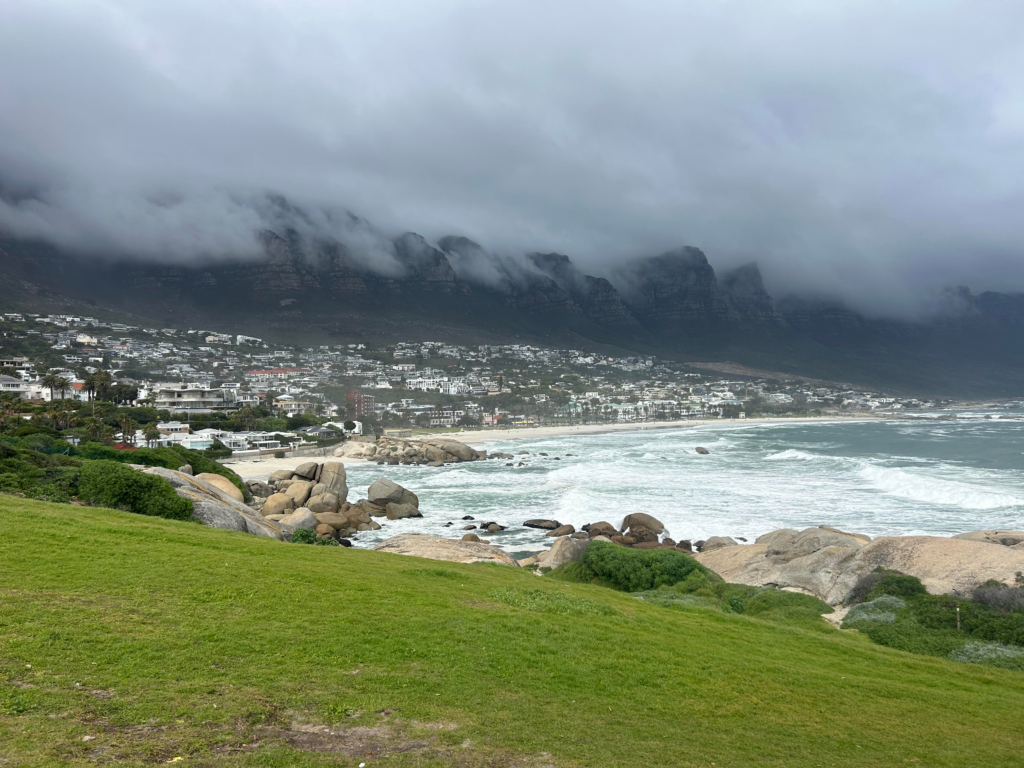
If you want a luxury beach trip, stay in Camp’s Bay. If you want to save money but still be close to the beach, stay in Sea Point. The V&A Waterfront is great if you want plenty of shops, bars and restaurants nearby. Alternatively stay in Green Point, or the City Bowl.
I stayed in Bantry Bay Aparthotel by Totalstay in Sea Point and would highly recommend the hotel and its location.
Things to Do in Cape Town
Day 1
Visit the V&A Waterfront and take a tour to Robben Island in the morning, spend the afternoon at Camp’s Bay Beach before taking the cable car up Table Mountain for sunset.
Day 2
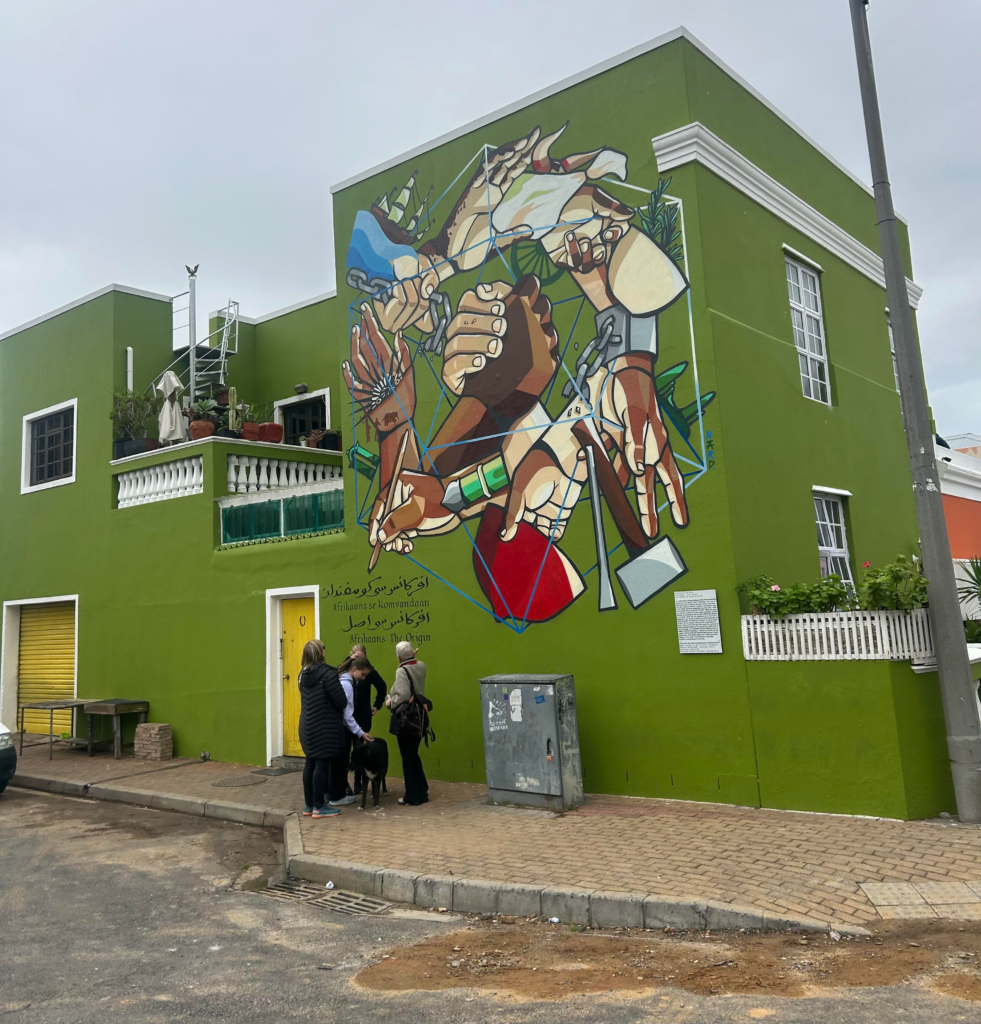
Learn about Cape Town’s recent history at the District Six Museum, walk around the CBD and explore the Cape Malay neighbourhood of Bo Kaap.
Day 3
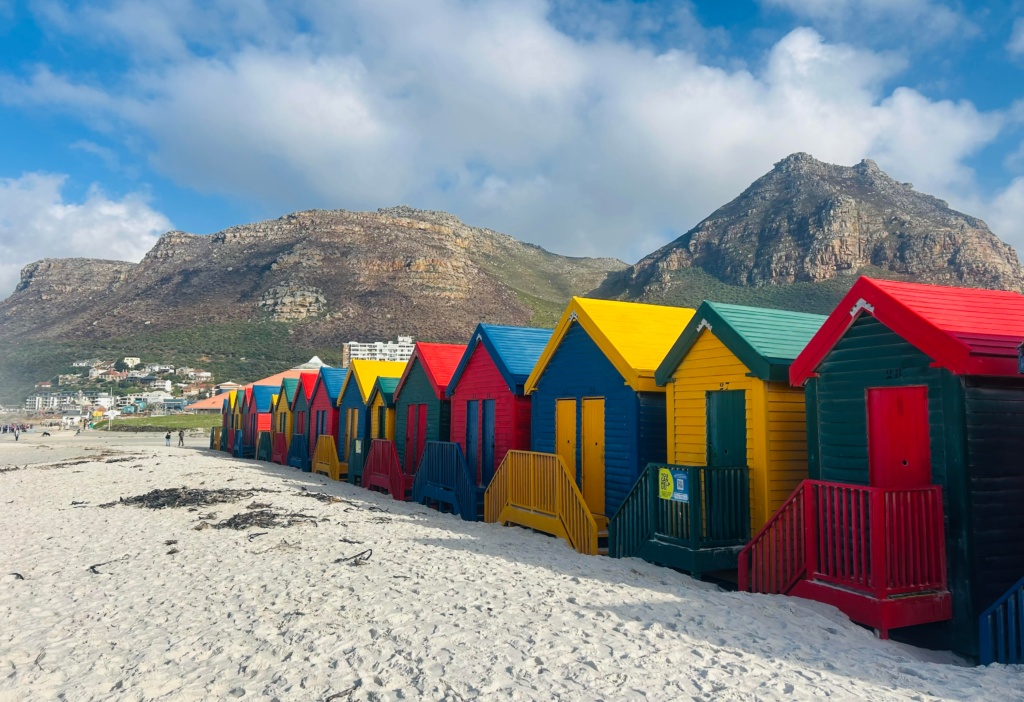
Take a Cape Peninsula Day Trip to see the colourful beach huts at Muizenberg Beach and the penguins at Boulders Beach. Visit the Cape of Good Hope Nature Reserve, before driving back to Cape Town on the scenic Chapman’s Peak Drive.
Read my guide to taking a Cape Peninsula Day Trip from Cape Town here.
Day 11 & 12 – Cape Winelands
Spend a couple of nights in South Africa’s most well-known wine region – the Cape Winelands.
Getting to the Cape Winelands
The most popular places to visit in the region are the French-influenced Franschhoek or the university town of Stellenbosch.
Both towns are around an hour from Cape Town. If you’re short on time, or want to extend your time in the city, you can visit the Cape Winelands on a day trip. Don’t worry about drinking and driving, there are plenty of organised day trips available from Cape Town.
Where to Visit?
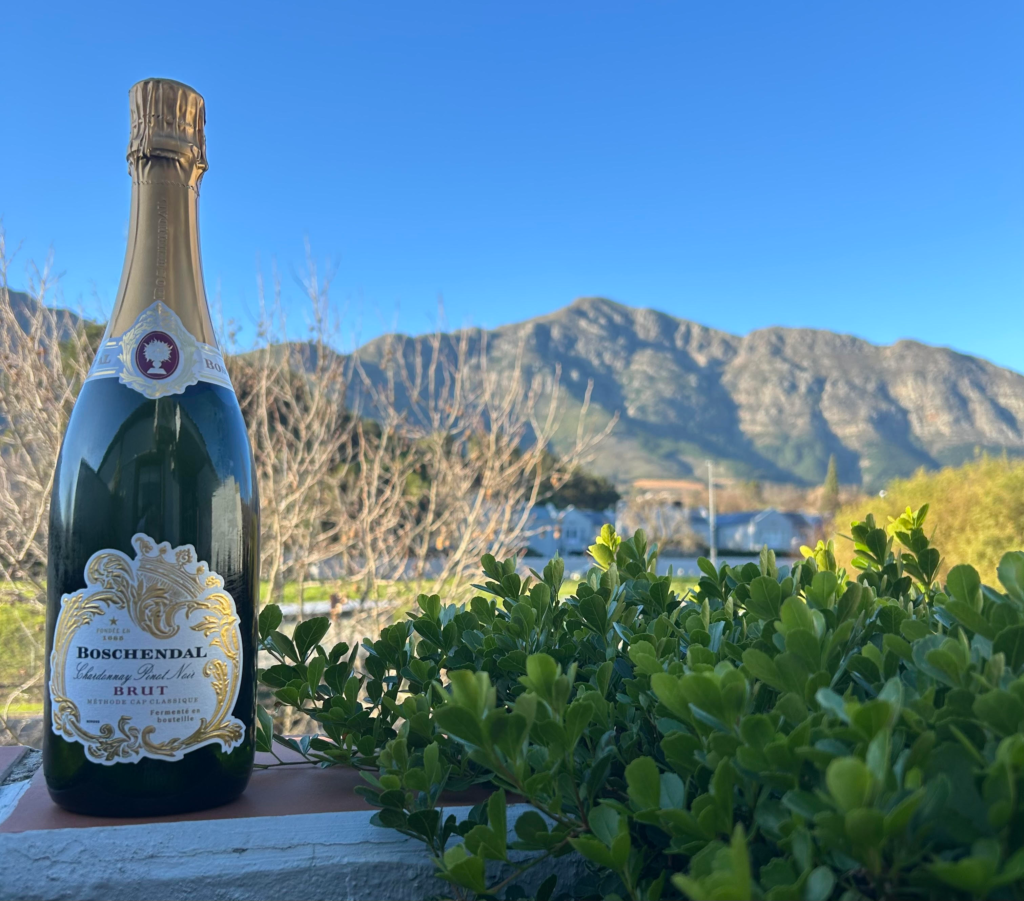
Franschhoek meaning “French Corner” was founded by French Huguenot settlers fleeing religious persecution. The town is most famous for its Wine Tram. This hop-on hop-off tram allows you to visit different wine estates safely and easily on one of its many lines.
Stellenbosch is a university town known for its historic Cape Dutch architecture and oak-lined streets. Although it lacks a Wine Tram, it isn’t lacking in wine estates.
If you can try to visit both, if not just pick one. My recommendation would be to visit Franschhoek to experience the novelty of the Wine Tram.
There is an overwhelming amount of wine estates to choose from and choosing can be difficult. When deciding where to visit, consider what you want to experience on your visit.
The Warwick Estate in Stellenbosch is renowned for its red Bordeaux blends, whilst Tokara is known for its Chardonnay and Sauvignon Blanc. The Franschhoek Cellar is one of the most accessible Wine Estates, whilst Leopard’s Leap is favoured among families. Take time to research the different wine estates, and if you’re in Franschhoek, see which tram lines go there.
If you’re not big on drinking, then you might still enjoy a visit to the Winelands. Both towns pride themselves on their restaurants, from pizza to fine dining, there is something for everyone. Franschhoek considers itself the gastronomic capital of South Africa.
Day 13 – Cape Winelands to Hermanus via Betty’s Bay
On day 13, swap wine for wildlife. In the morning drive to Betty’s Bay to visit the Stony Point Penguin Colony, then end the day at Hermanus, the best land-based whale watching destination in the world.
Getting to Betty’s Bay
If you have had enough of penguins, then you can skip this stop. The drive from the Cape Winelands is around 1-1.5 hours, and visiting the town adds around 50 minutes extra driving time to the day.
Things to Do at Betty’s Bay
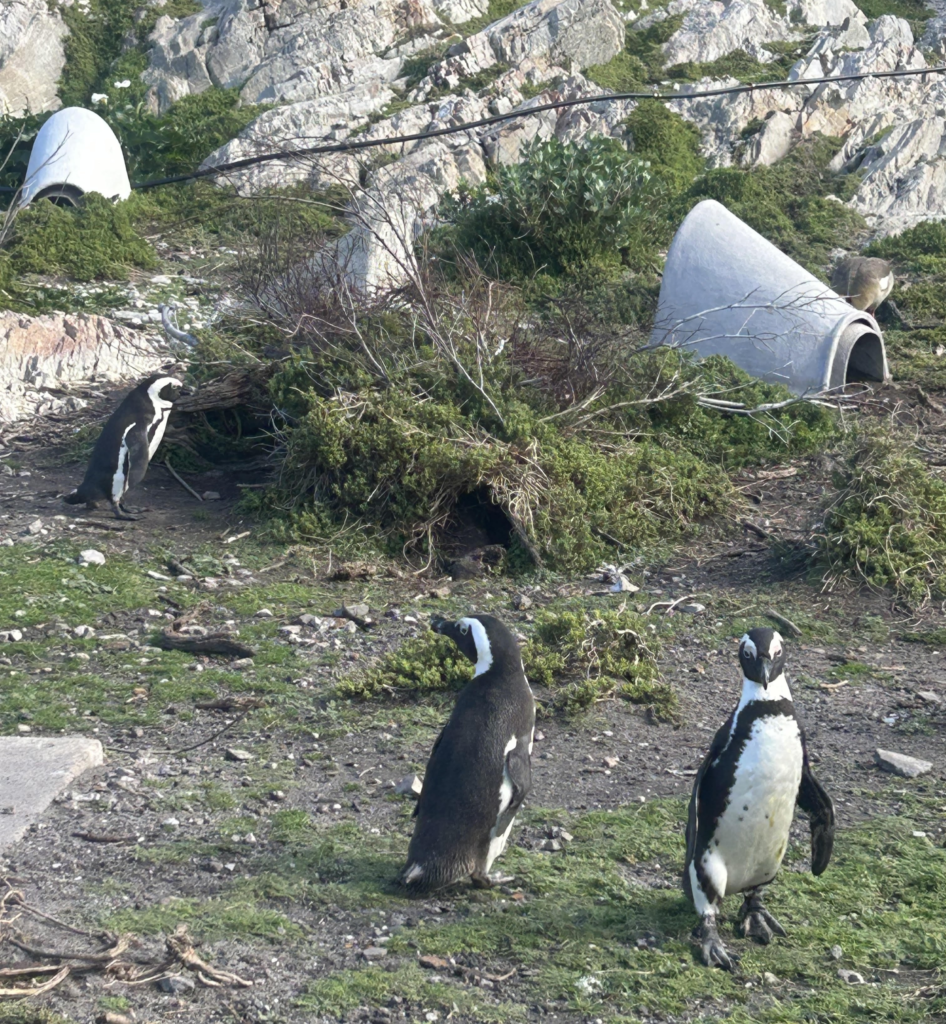
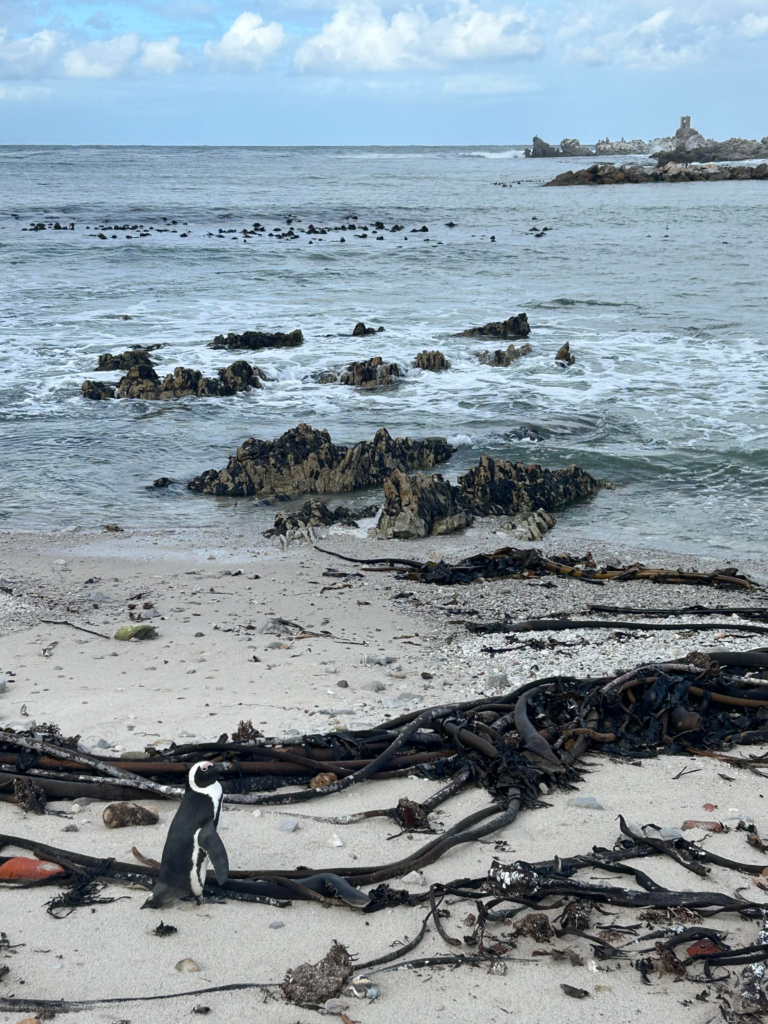
Betty’s Bay is home to the Stony Point Penguin Colony. The reserve is connected through a series of boardwalks which allows you to view the penguins in their natural habitat. It is also home to several breeding species of cormorant birds.
The best part about Stony Point is the lack of crowds. Penguin-viewing at Boulder’s Beach can be exhausting with the sea of people elbowing each other just to take a photo. Here, you can leisurely walk about and take your time watching the penguins, I would highly recommend a detour here.
Getting from Betty’s Bay to Hermanus
If you decide to visit the penguins at Betty’s Bay (good decision!), then the drive to Hermanus takes 45 minutes to 1 hour depending on traffic. It’s a simple straight drive, just keep an eye on your speed as we got a speeding ticket here.
Things to Do in Hermanus
Hermanus is widely known as the best land-based whale watching destination in the world. Whale season runs from June to November, with peak viewing around September and October. During these months, Southern Right Whales migrate to the bay to mate and calf.
A whale-watching boat trip is one of the best things to do in Hermanus during this time. You can either join an afternoon cruise after visiting Betty’s Bay or take an early-morning tour before continuing your trip. Popular operators include Southern Right Charters, Hermanus Whale Cruises and Hermanus Whale Watching Tours. I went with Hermanus Whale Watching Tours and really enjoyed the experience. The tour lasted around 2 hours and cost R 1500 per person, (around 86 USD or 66 GBP).
If you’re prone to seasickness, be sure to take motion sickness medication beforehand, it can get very choppy on the water.
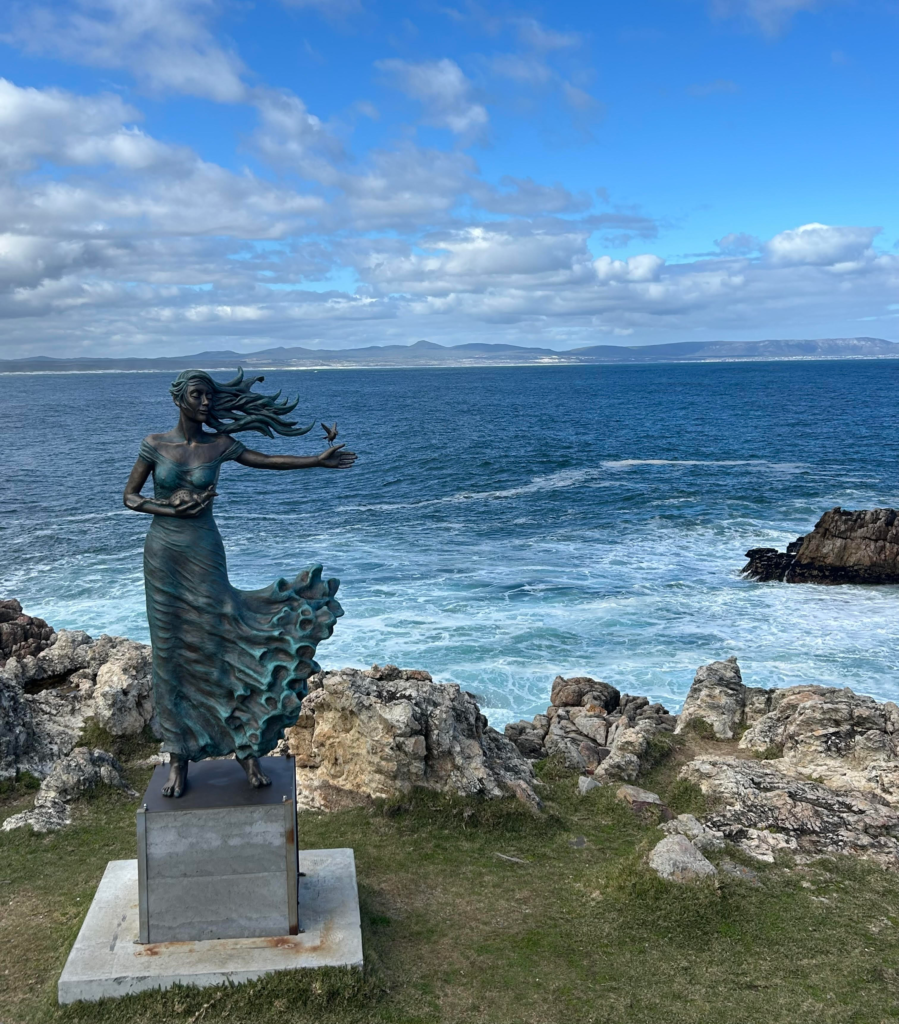
Alternatively, if you’d prefer to stay on land, you could try spotting some whales from the town. Gearing’s Point is worth a stop for its stunning sea views and collection of sculptures. Bring your binoculars and try to spot some whales along the coast.
Gansbaai
Just 30-minutes up the coast is the town of Gansbaai, one of the best places in the world to experience cage-diving with Great White Sharks.
Day 14 – Hermanus to Mossel Bay via Cape Agulhas
From Hermanus, take a worthwhile detour to the southernmost point of the African continent, Cape Agulhas, before continuing on to Mossel Bay, the starting point of the world-famous Garden Route.
Getting to Cape Agulhas & Mossel Bay
From Hermanus, it’s around 1.5 hours to Cape Agulhas. Note that visiting Cape Agulhas is a detour and adds over an hour of driving time on to the day. From Cape Agulhas, it’s a further 3-hour drive Mossel Bay where I recommend spending the night.
Things to Do at Cape Agulhas
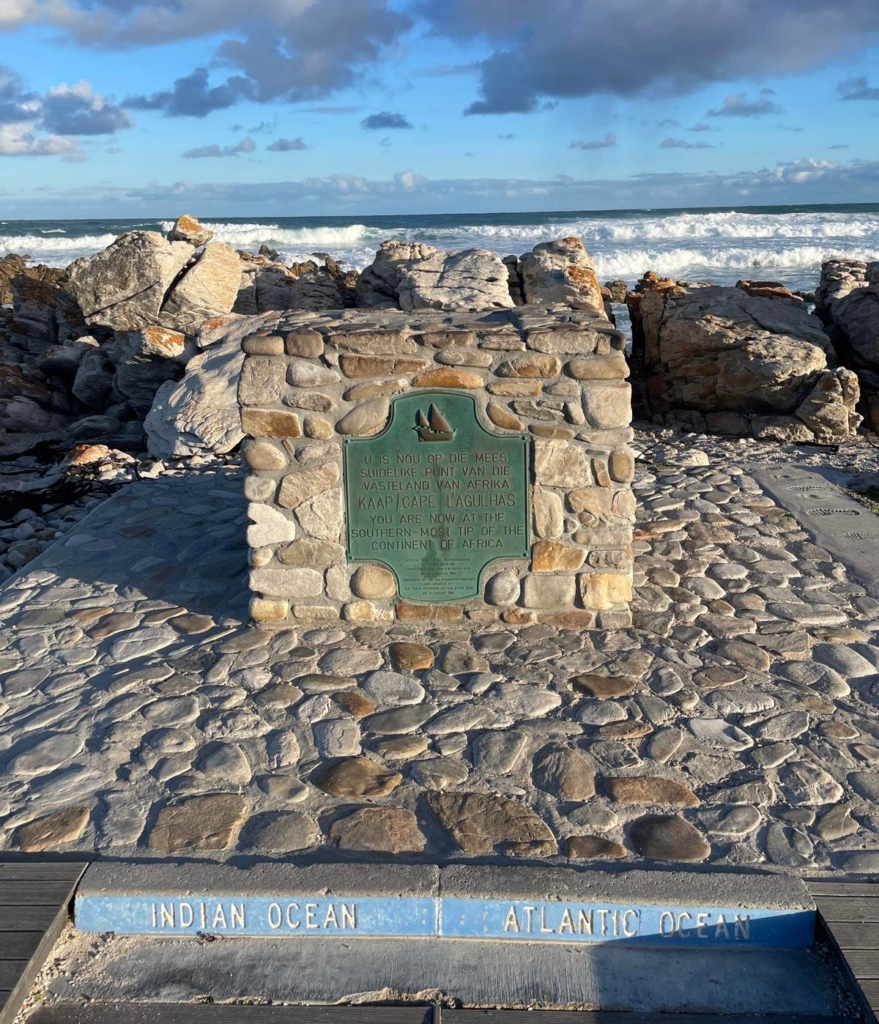
Cape Agulhas marks not only the southernmost point of Africa, but also the official meeting point of the Atlantic and Indian Oceans. A monument marks the spot and makes for a fun photo spot. Nearby, you’ll also find large topographical map of Africa.
The area sits within Cape Agulhas National Park, and access to this section is free. While you’re here you can also visit the Agulhas Lighthouse and Meisho Maru Shipwreck, the remains of a Japanese fishing vessel that ran aground in the 1980s.
Sleeping in Mossel Bay
Mossel Bay is the official starting point of the Garden Route, one of the most iconic road trips in the world, and often a must-do on many traveller’s trips to South Africa.
The last week of this 3-week South Africa itinerary, will take you from Mossel Bay to Storm’s River, along 190 miles (300km) of scenic coastline.
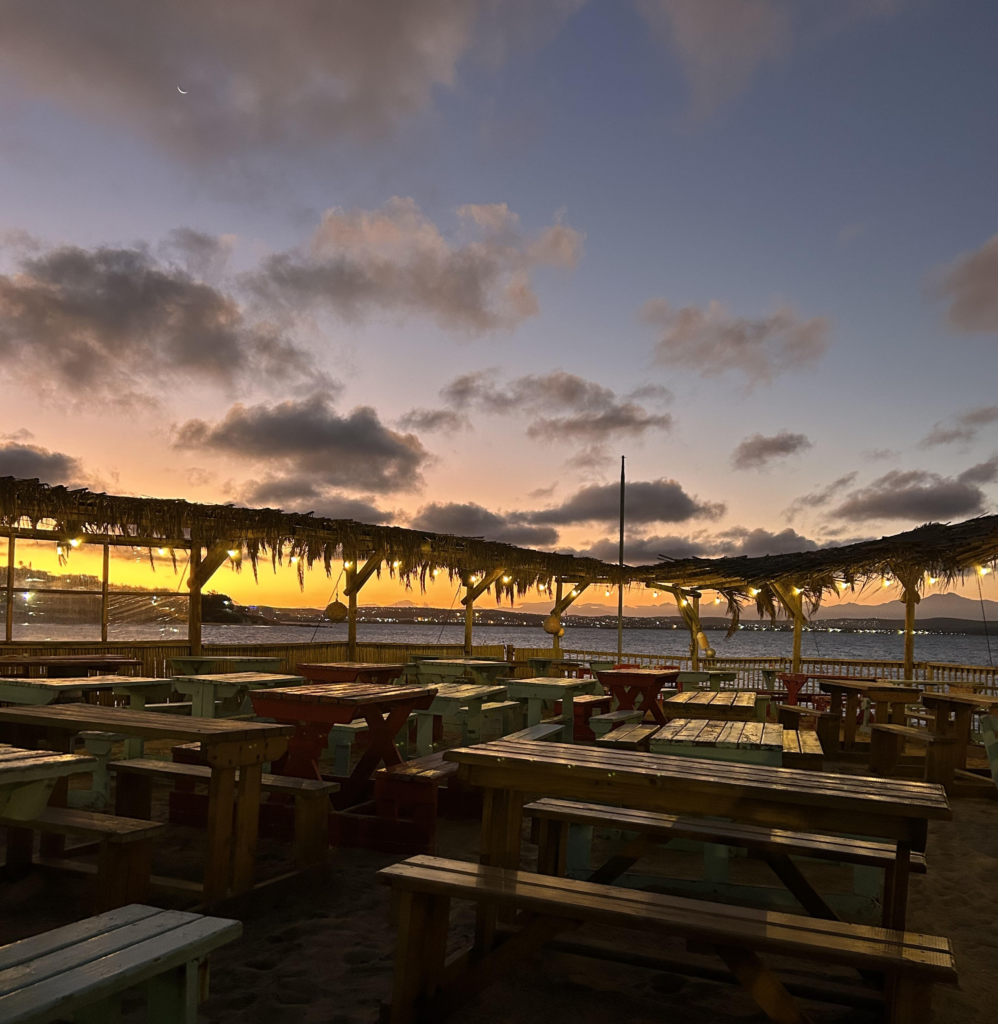
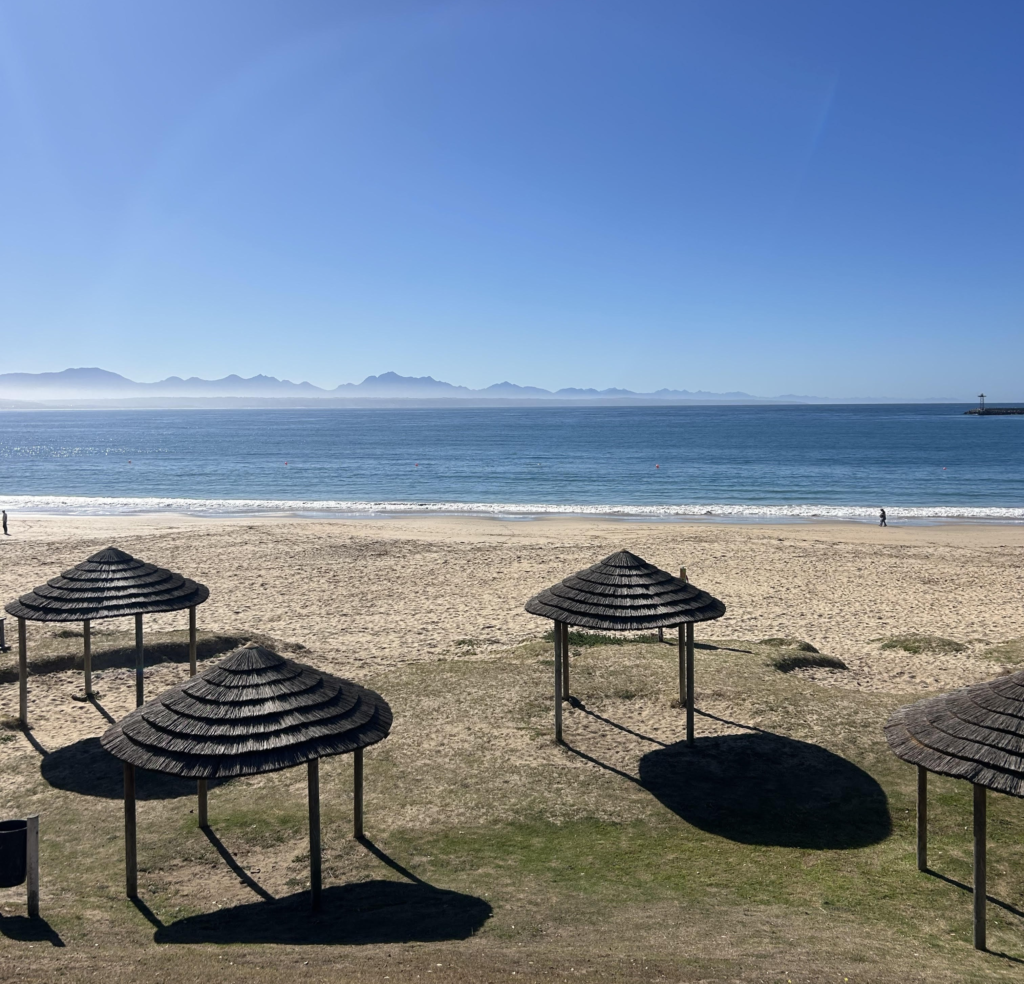
Depending on what time you arrive in Mossel Bay, I would recommend checking out the beautiful Santos beach, before heading to the Kaai 4 Braai restaurant to experience a traditional South African braai on the beach.
Day 15 – Mossel Bay to Wilderness via Oudtshoorn
Spend the morning exploring Mossel Bay before heading inland to Oudtshoorn, the Ostrich Capital of the World. After your visit, return to the coast and spend the night in Wilderness.
Things to Do in Mossel Bay
Start the day exploring the Cape St Blaize Lighthouse Complex, where you will find sweeping views over the town and coastline. The Cape St Blaize Trail begins here and stretches to Dana Bay. The full route takes around 5 hours, so only attempt if you have enough time.
Alternatively, relax at Santos beach, take a boat trip from the harbour, or simply grab a coffee in town.
Getting to Oudtshoorn
Leave Mossel Bay around midday and head inland to Oudtshoorn. The drive takes around 1 hour and 15 minutes. Take care when driving as you will pass through the mountains. Oudtshoorn is the only stop on the Garden Route which is not on the coast.
Things to Do in Oudtshoorn
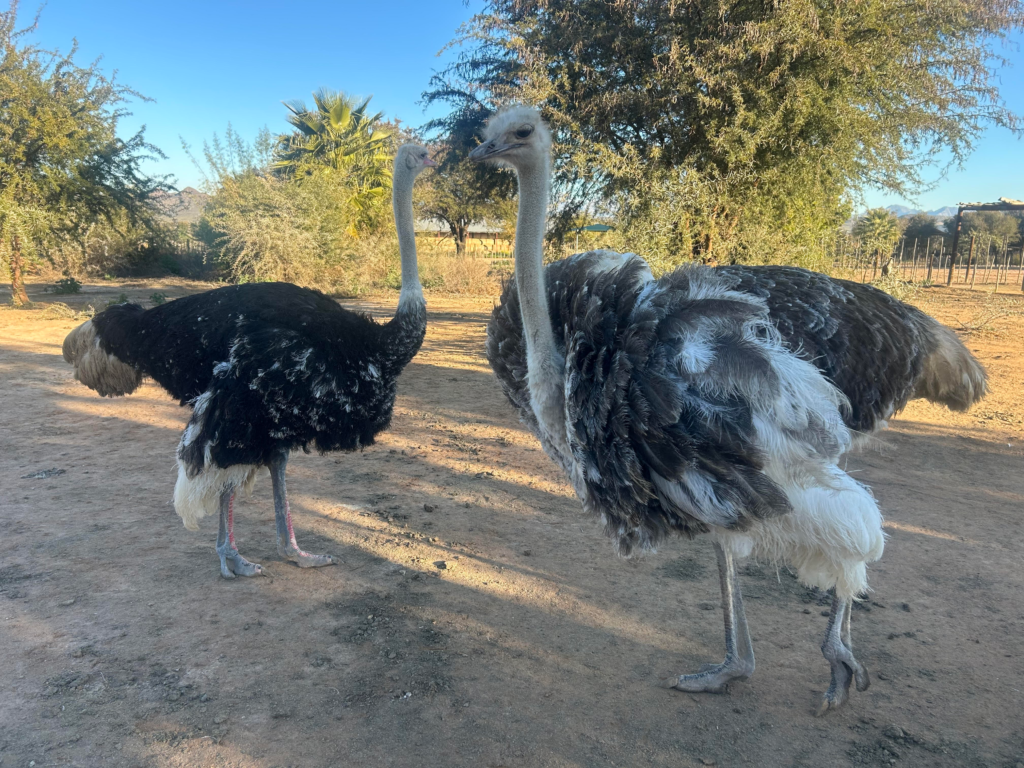
Oudtshoorn is the Ostrich Capital of the World, with the world’s largest population of ostriches. You can visit one of several ostrich farms to see these unique birds up close. Popular farms include the Safari Ostrich Farm and Highgate Ostrich Show Farm.
I visited the Safari Ostrich Farm which was a unique and enjoyable experience. The tour begins with a short tractor ride through the enclosures, where you can see three different breeds. For an extra fee, you can purchase a bucket of pellets to feed the ostriches. The tours are surprisingly informative, you will learn about ostrich products such as meat, leather and feathers, as well as how to differentiate between the species.
There is also a gift shop where you can buy numerous ostrich products ranging from feather dusters to ostrich leather belts. I bought my dad a feather duster for his car. Additionally, there is a restaurant where you can try ostrich meat, whether it’s an ostrich burger or steak.
Another popular activity to do in is visit the Cango Caves, a series of limestone caves around 30 minutes outside of Oudtshoorn.
Sleeping in Wilderness
After finishing your Oudtshoorn activities, drive to Wilderness, the next stop on the Garden Route. The journey takes just over one hour depending on traffic.
Day 16 – Wilderness to Knysna
Today is an easy low-driving dau. Spend the morning in Wilderness before taking a short drive up the coast to Knysna, where you will spend the night.
Things to Do in Wilderness
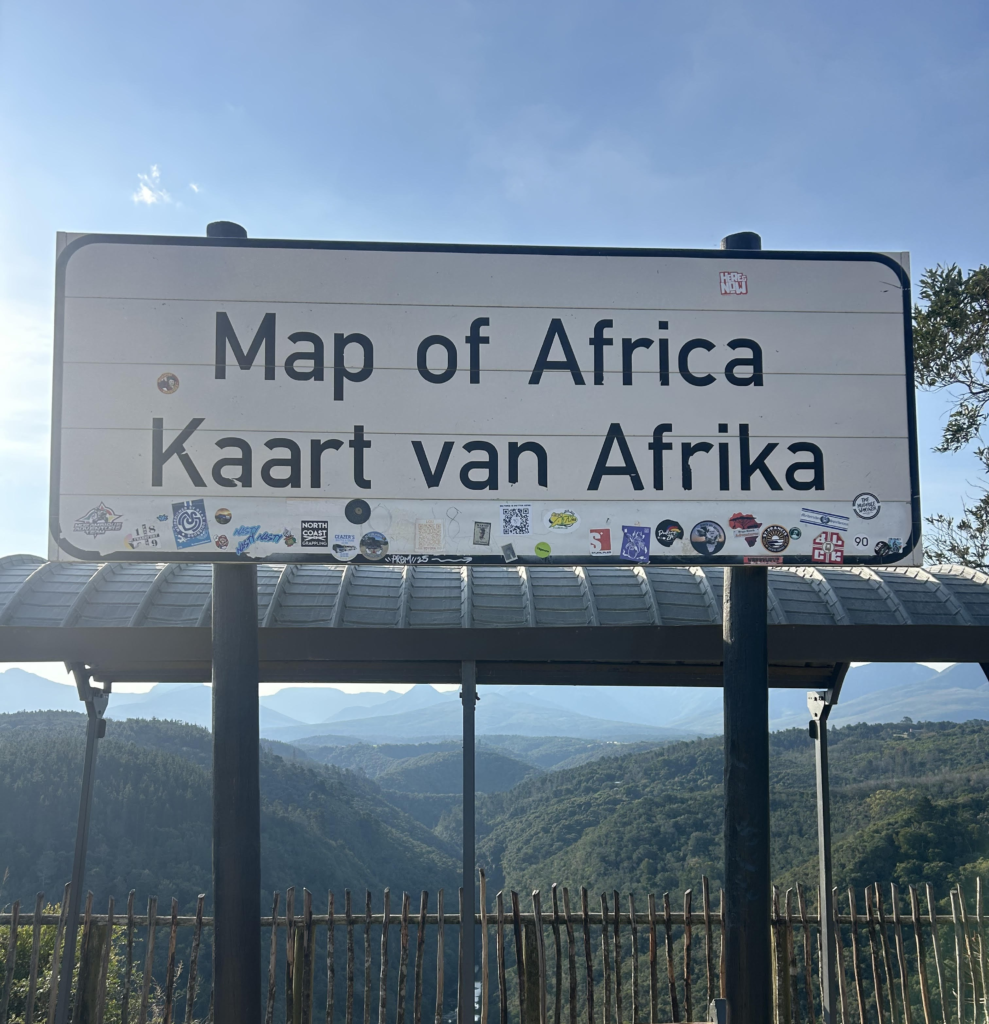
Wilderness is a small, laid-back coastal town surrounded by lush forest and long stretches of sand. Take a drive up to the Map of Africa, a scenic viewpoint where the landscape naturally forms the shape of the African continent. From here, you’ll also get some stunning views of the Wilderness coastline. If you’re feeling adventurous, this is a popular spot for paragliding.
Don’t forget your binoculars, during whale season you might be able to spot whales breaching just offshore.
A visit to the Wilderness section of the Garden Route National Park is also worthwhile. You can hike the you can hike the popular Half-Collared Kingfisher Trail, or one of the other hiking trails available. Alternatively, you can rent a canoe or take a boat cruise along the river.
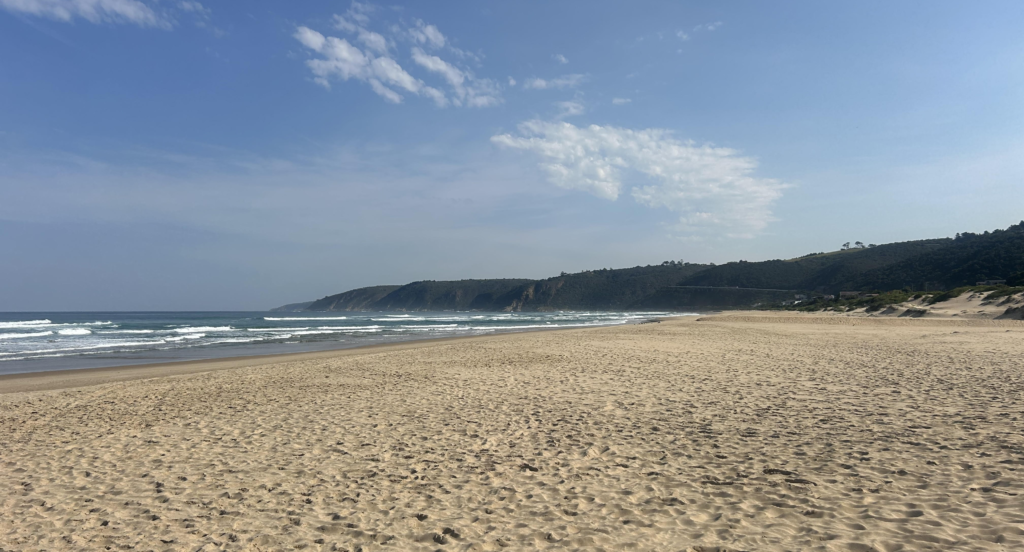
And of course, take time to enjoy the beach in Wilderness, a beautiful stretch of sand that’s worth visiting even in winter.
Getting to Knysna
Once you’ve had your fill of Wilderness, make the short 40-minute drive to Knysna. If time allows, consider stopping at some of the beautiful beaches along the way.
Things to Do in Knysna
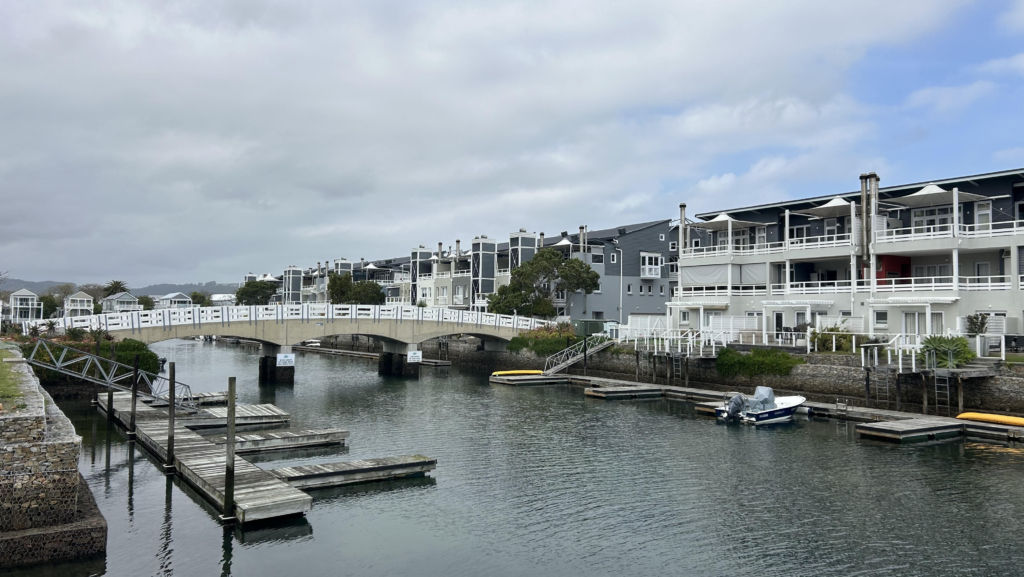
Knysna is another beautiful town along the Garden Route, best known for its lagoon and surrounding forests. Make sure to check out Thesen Island set in the lagoon, this series of small islands connected by bridges has plenty of quaint shops, bars and restaurants.
One of the most popular activities to do in Knysna is to take a lagoon cruise, and most tours conveniently depart from Thesen Island. It’s a relaxing way to explore the natural beauty of Knysna.
If you have extra time, you could also visit the Knysna section of the Garden Route National Park or visit the Featherbed Nature Reserve, accessible only by boat.
With the time you have, I’d recommend grabbing lunch on Thesen Island, strolling around the waterfront, and then finishing the afternoon with a scenic cruise on the lagoon.
Day 17 – Knysna to Plettenberg Bay
Today you will be continuing along the Garden Route and travelling from Knysna to Plettenberg Bay. The drive is only short, buy luckily there is plenty to do on the way.
Today you will be travelling further along the Garden Route from Knysna to Plettenberg Bay.
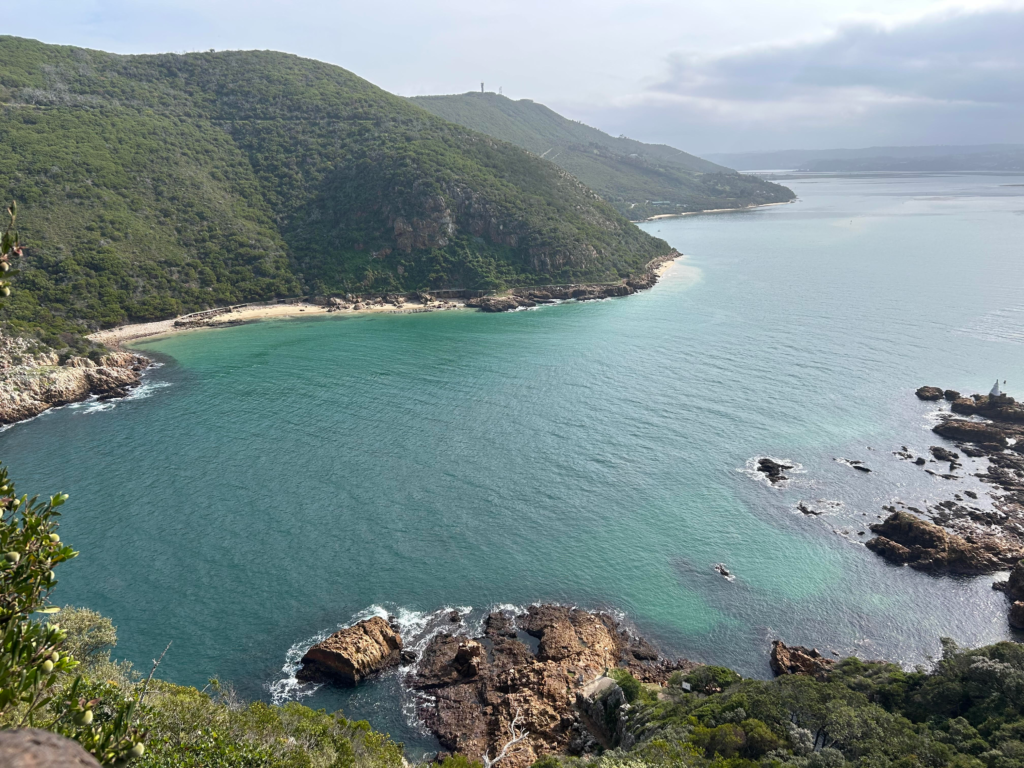
Before leaving Knysna don’t forget to visit Knysna Heads, one of the most iconic photo spots in the area. It’s best to visit in the morning when the lagoon is most blue. The drive is only 15-minute drive out of Knysna, once you can carry on towards Plettenberg Bay.
Getting to Plettenberg Bay
The drive from Knysna to Plettenberg Bay takes only around 30-minutes. Most of today’s highlights are located between the two towns, so be sure to allow extra times for stops and detours.
Things to Do between Knysna & Plettenberg Bay
On the way out of Knysna, make sure to visit Knysna Heads, one of the most iconic photo spots on the Garden Route. The views are especially beautiful in the morning when the lagoon water is at its bluest.
Knysna Elephant Park is conveniently located on the route between Knysna and Plettenberg Bay. The park is different to your usual African safari experience and allows you to get up close with rescued African elephants.
Robberg Nature Reserve has some of the best coastal hiking trails in the area, and entry is included in the SANParks Wild Card. Choose between the Gap (2.2 km), Witsand (5.5 km) or the Point (9.2 km). The latter two offer incredible views of a large seal colony. Be sure to bring binoculars as whales and dolphins are often spotted from the cliffs.
Plettenberg Bay
Spend the night in Plettenberg Bay, if you’re tired after an action-packed day, head straight to the beach to unwind. When I was there, I was lucky enough to spot a pod of dolphins swimming close to the shore. With a bit of luck, you might get a free swimming with dolphins experience. In the evening, enjoy the town’s lively atmosphere by exploring Plettenberg Bay’s many bars and restaurants.
Day 18 – Plettenberg Bay to Jeffrey’s Bay via Storm’s River
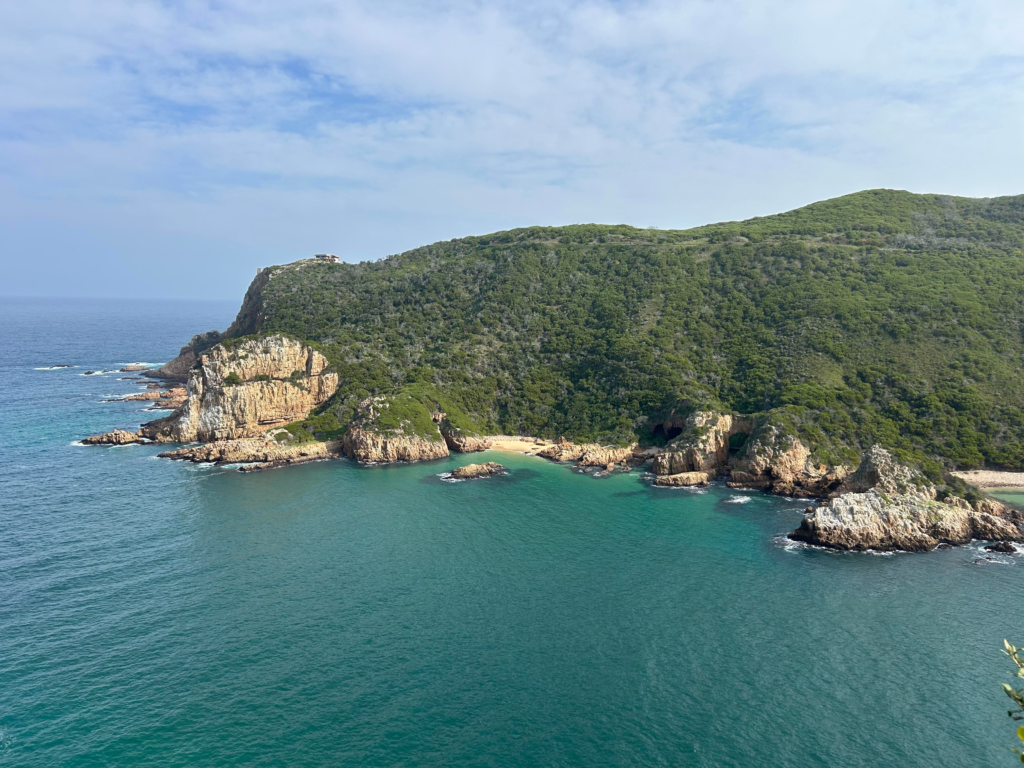
Today marks the final day on the Garden Route. You’ll travel from Plettenberg Bay to the official end of the route at Storm’s River, before continuing on to spend the night in the world-famous surf town of Jeffrey’s Bay.
Getting to Jeffrey’s Bay
The drive from Plettenberg Bay to Jeffrey’s Bay takes just over two hours and crosses the border from the Western to the Eastern Cape. Make sure to leave plenty of time for stops along the way.
Things to Do Between Plettenberg Bay & Storm’s River
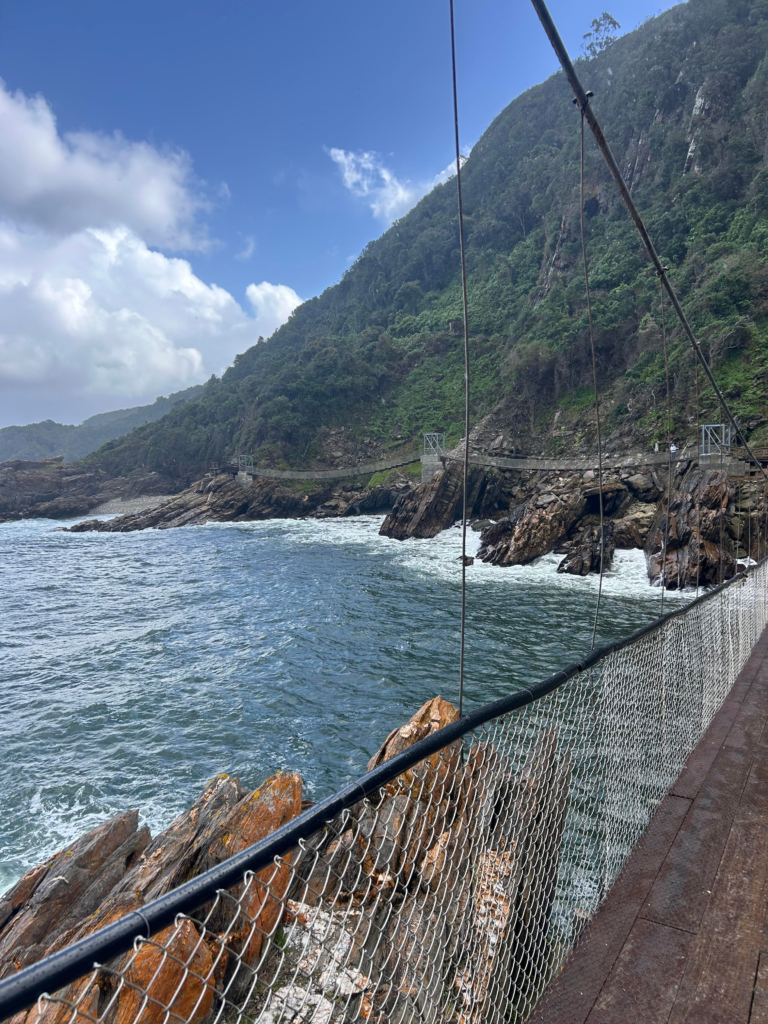
The Tsitsikamma section of the Garden Route National Park lies between Plettenberg Bay and Storm’s River. You can visit either the Nature’s Valley or Storm’s River sections of the park. Make sure to visit Storm’s River, this is where you’ll find the iconic suspension bridge which is one of the most popular sights to see on the Garden Route. The bridge is reached via a short hike with plenty of stairs, so keep this in mind when planning a visit.
If adrenaline rushes are your thing, then try the highest bungee jump in Africa. The Bloukran’s Bridge Bungee Jump is one of the highest commercial bungee jumps in the world. You will jump 216 metres (709 ft) from the Bloukran’s Bridge over the river. This is one of the most popular activities to do along the Garden Route. If bungee jumping isn’t your thing, it’s still worth a quick visit to watch other people doing the jump.
Jeffrey’s Bay
Spend the night in Jeffrey’s Bay, it’s around a 1 hour 10 minutes drive from the Storm’s River suspension bridge.
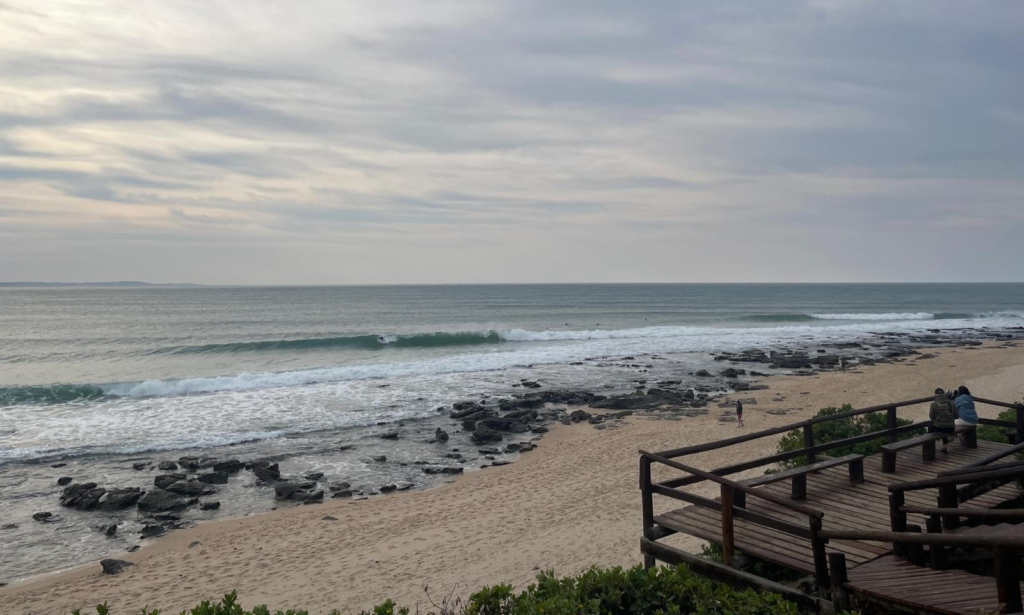
Try your luck at surfing, or if that’s not your thing, spend some time on the beach watching the surfers of varying skill levels. I had a surprisingly good day watching people surf in Jeffrey’s Bay.
If surf towns aren’t your thing, you could spend an extra night on the Garden Route, check out Port Elizabeth, or head to Addo Elephant National Park early.
Day 19 – Jeffrey’s Bay to Addo Elephant National Park
The final few days of this 3-week South Africa itinerary will be spent at Addo Elephant National Park. Today you will travel from Jeffrey’s Bay to the last national park of the trip, Addo.
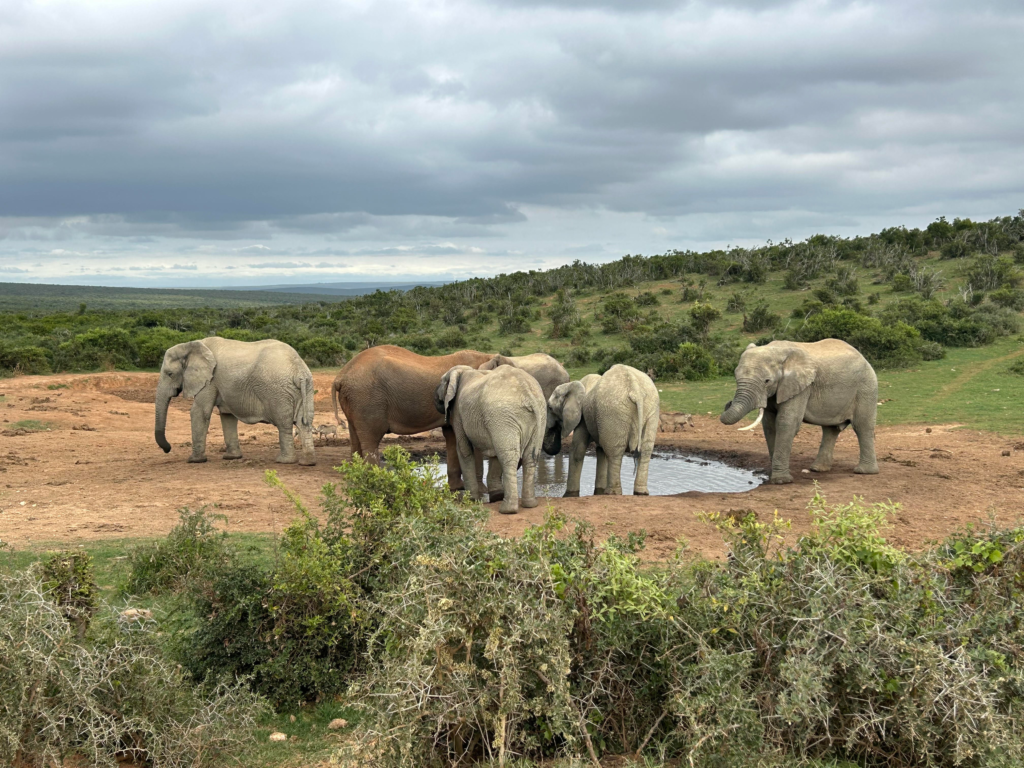
I loved Addo, it was my absolute favourite thing I did in South Africa, even over Kruger National Park. I highly recommend a visit.
Getting to Addo Elephant National Park
The drive from Jeffrey’s Bay to Addo Elephant National Park is around 2 hours. Enter the park through the main entrance gate. This is the best part of the park to visit and stay as it has the highest concentration of wildlife.
Where to Stay at Addo Elephant National Park
There are several rest camps within Addo where you can spend the night, or you can choose from a number of guesthouses outside of the gates.
One of the best options is to stay at the Addo Elephant Main Camp, located a short drive from the main gate. I couldn’t recommend doing this enough, it was the highlight of my trip to South Africa.
Things to Do at Addo Elephant National Park
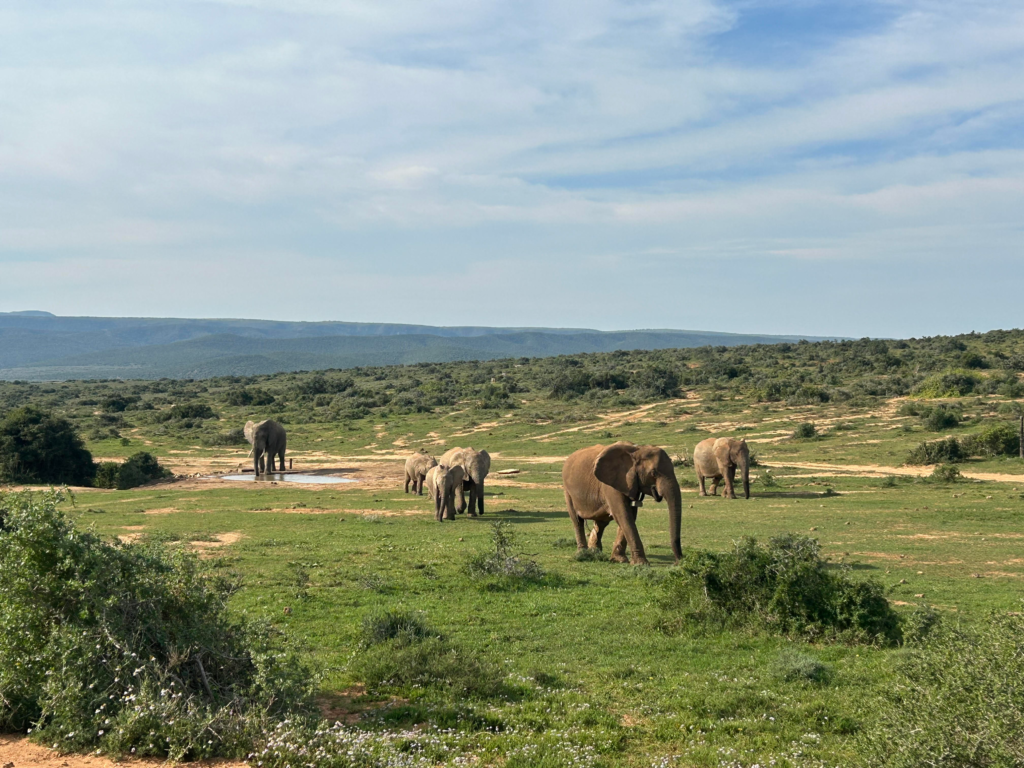
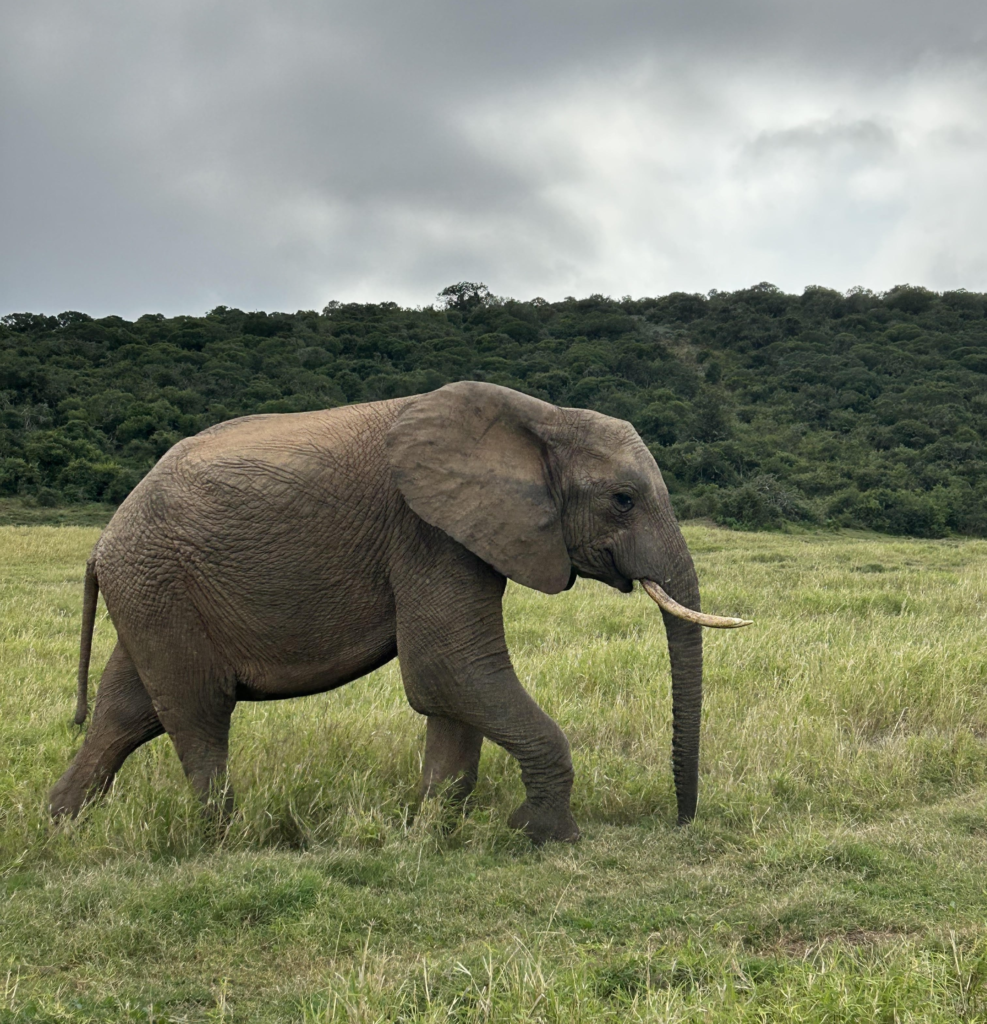
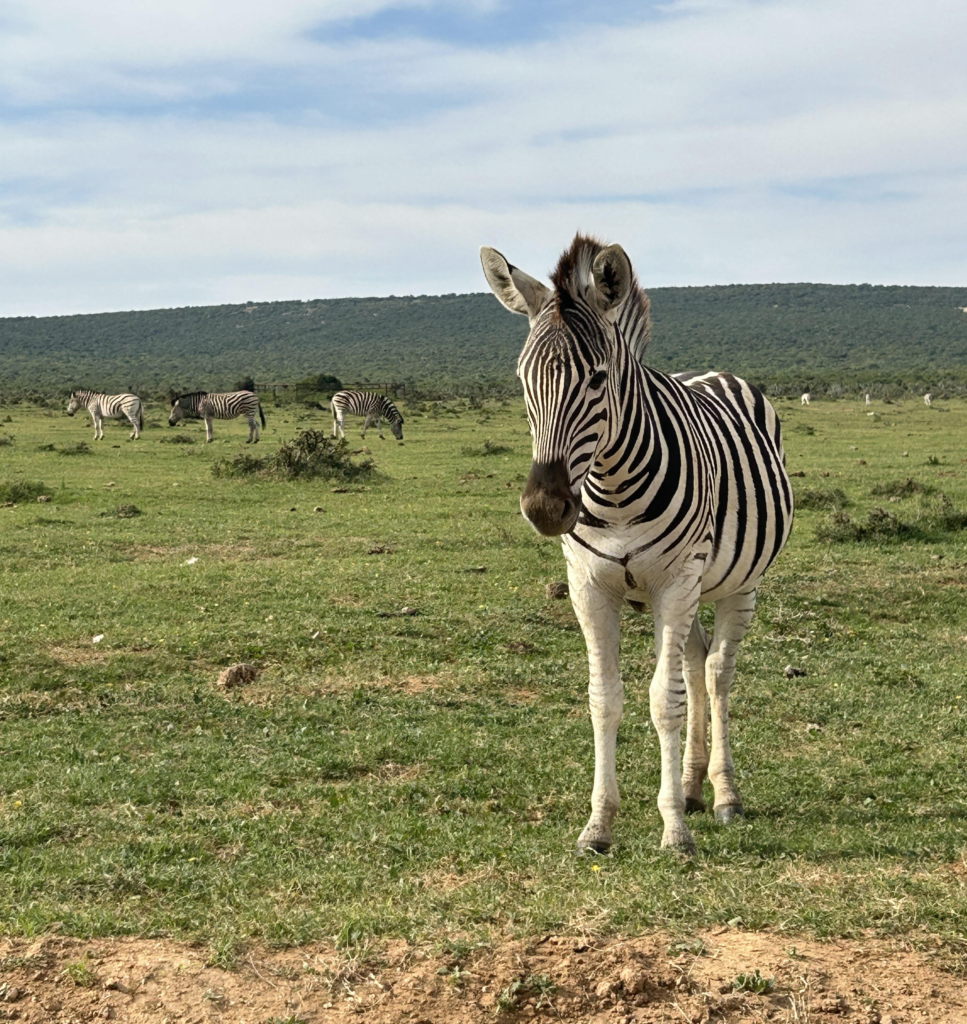
Addo Elephant National Park is home to over 800 elephants. Other species include zebra, buffalo, warthog and even a small number of lions. The park is best explored by self-drive safari, guided game drives or a mixture of both. The highest concentration of elephants is usually around the main camp area, especially near the many watering holes.
The park is a mix of paved and gravel roads. Spend the day touring the northern section of the park, before returning to your accommodation in the main camp. Have dinner at the Cattle Baron restaurant and visit the underground hide to spot elephants from the camp.
Read my In-depth Guide to Visiting Addo Elephant National Park here.
Day 20 – Addo Elephant National Park to Johannesburg via Port Elizabeth
After checking out, you’ll leave Addo Elephant Park and make your way to Chief Dawid Stuurman International Airport in Port Elizabeth (Gqeberha) to fly back to Johannesburg.
If time allows, you will be able to squeeze in one last safari drive on your way to the airport.
Getting to Port Elizabeth Airport
There are two options of getting to the airport, these largely depend on the time of your flight.
Exit via the Main Gate
This is the quickest and most direct route. From the Main Camp, it takes around 1 hour and 15 minutes to reach the airport, depending on traffic.
Exit via the Southern Gate (Matyholweni)
If you have more time, you can drive through the park and exit from the Matyholweni Gate. The journey from the Main Camp to the southern gate takes around 2 hours. Much of this drive is on unpaved roads, and the time estimate doesn’t include stops for wildlife sightings. From Matyholweni, it’s about 40 minutes to the airport.
If your flight isn’t until the afternoon, I highly recommend choosing the southern exit. Although wildlife density is lower in the southern part of Addo, the area is much quieter and any sightings you have are likely to attract less people. Plus, this option lets you maximise your time in the park and explore sections many visitors overlook.
Arriving to Johannesburg
It’s easiest to fly into Johannesburg OR Tambo International Airport, especially since most international flights depart from here. The flight from Port Elizabeth to Johannesburg takes around 1 hour and 30 minutes, and several airlines including FlySafair and Airlink operate frequent, budget-friendly flights.
For convenience, book a hotel close to the airport for your final night. Many hotels offer complimentary shuttle services to and from the airport.
Day 21 – Leave from Johannesburg
Unfortunately, this marks the last day of this 3-week South Africa itinerary.
With more time you could do a quick side trip to Victoria Falls in Zimbabwe and/or Zambia. Flights times are around 1 hour and 30 minutes, and several airlines offer reasonably priced flights.
You can read my in-depth guide to visiting Victoria Falls from South Africa here.
Alternatively, instead of flying back to Johannesburg, you could continue you trip by flying to Durban and exploring the KwaZulu-Natal province.
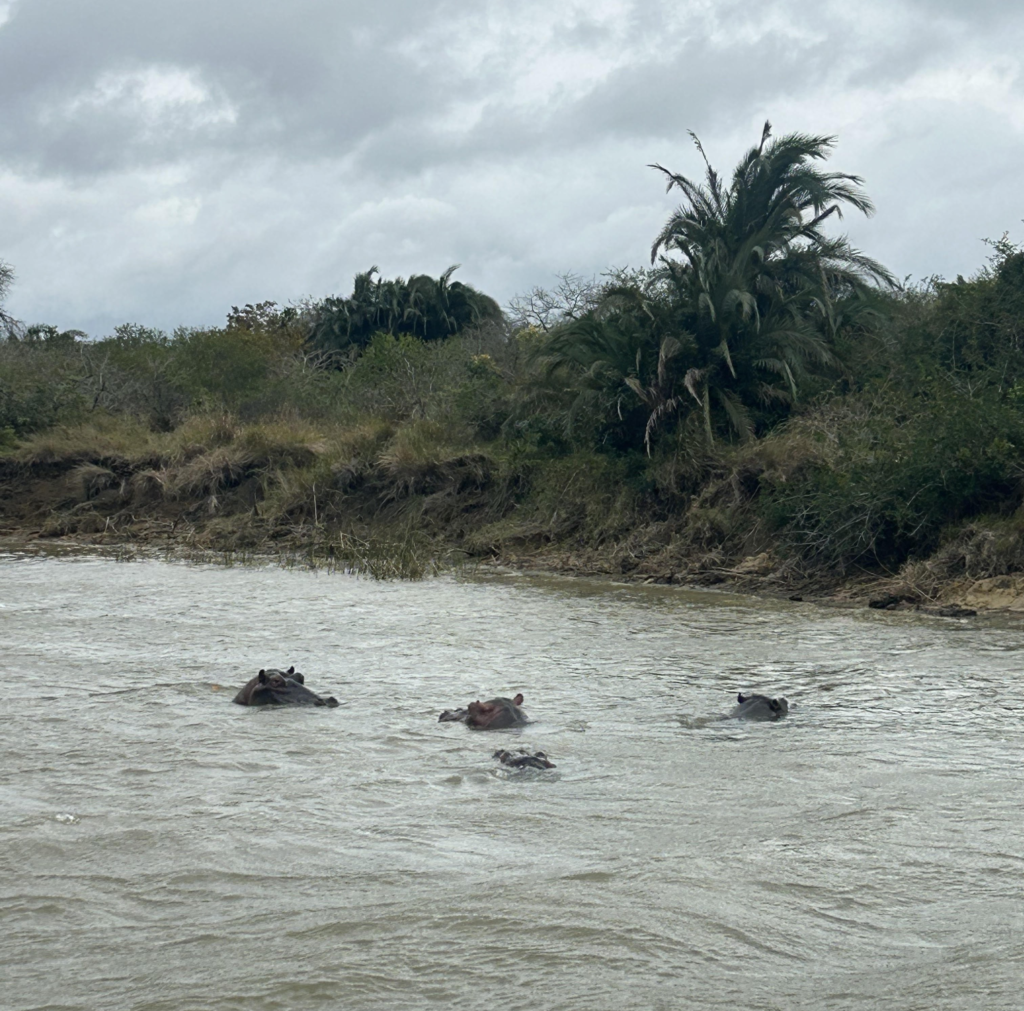
Try Bunny Chow in Durban, explore the beautiful beaches of Ballito, see hippos in St Lucia and visit the UNESCO World Heritage Site at iSimangaliso Wetland Park.
South Africa has so much to offer, this 3-week South Africa itinerary only scratches the surface.
Final Thoughts on 3-Week South Africa Itinerary
From game drives at Kruger National Park, to road-tripping the Garden Route, this 3-Week South Africa itinerary highlights the best of this wonderful country. Whether it’s wildlife spotting, natural beauty, or vibrant cities there is something for everyone included in this trip.
Happy Planning!