These Game of Thrones filming locations will help you plan your own Game of Thrones inspired trip.
Game of Thrones was a cultural phenomenon. Its intricate world-building, interwoven storylines, and complex characters created a world so immersive that it would only be natural to want to visit in real life.
Whether it’s walking the streets of King’s Landing with Tyrion, going beyond the Wall with Jon Snow, or, crossing the Narrow Sea to follow in Daenerys’s footsteps, many of the show’s most iconic settings were filmed in places you can still explore today.
Game of Thrones was a huge production, with filming taking place on location in multiple countries each season. From the frozen landscapes of Iceland and the green hills of Northern Ireland, to the sunny Mediterranean settings of Spain and Croatia and the dramatic Atlas Mountains of Morocco. The diverse world of Westeros (and Essos) was brought to life through real-world locations.
The world of Game of Thrones was filmed across six countries in Europe and North Africa all of which can be visited today.
Northern Ireland
Filming of Game of Thrones took place across Northern Ireland throughout all 8 seasons of the HBO show. From Winterfell to the Iron Islands, and Dragonstone to the Stormlands, Northern Ireland transformed into the heart of Westeros.
The Causeway Coastal Route is one of Northern Ireland’s most popular activities featuring the famous Giant’s Causeway and Carrick-a-Rede Rope Bridge. It is also home to several Game of Thrones filming locations.
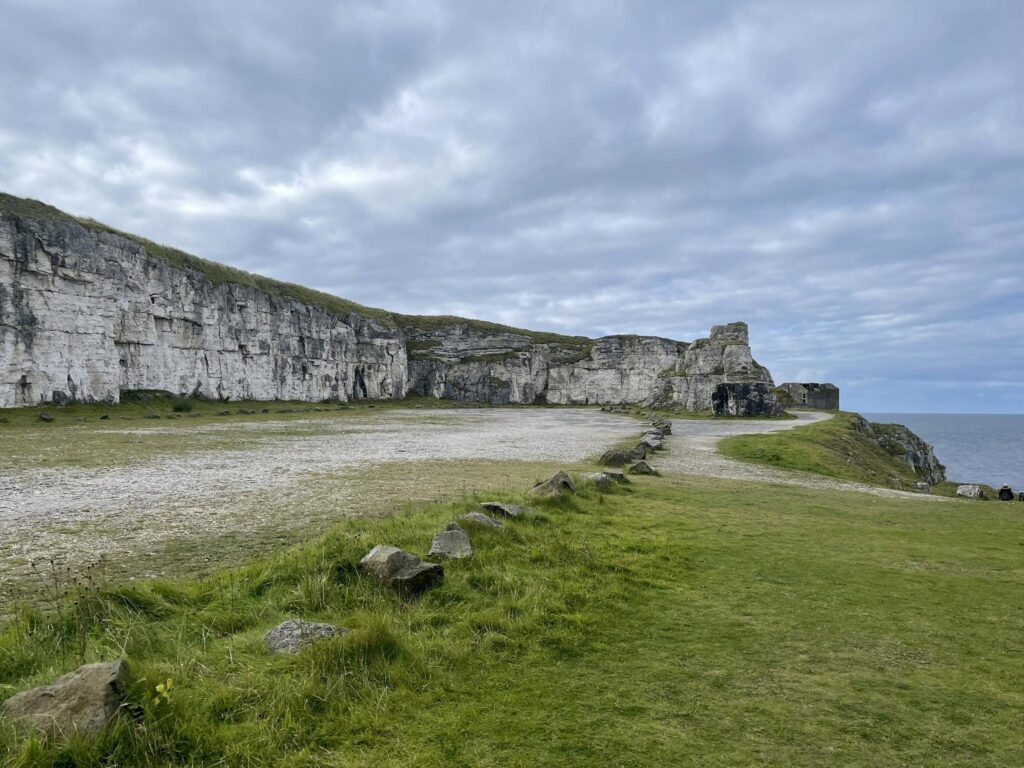
1. Larrybane Quarry
Larrybane Quarry was used as Renly Baratheon’s camp. It is here that we first meet Brienne of Tarth in Season 2, Episode 3, when she defeats Ser Loras Tyrell in a duel earning herself a place in Renly’s Kingsguard.
Larrybane Quarry is located a short walk from the Carrick-a-Rede Rope Bridge, making it easy to visit when driving the Causeway Coastal Route.
2. The Dark Hedges
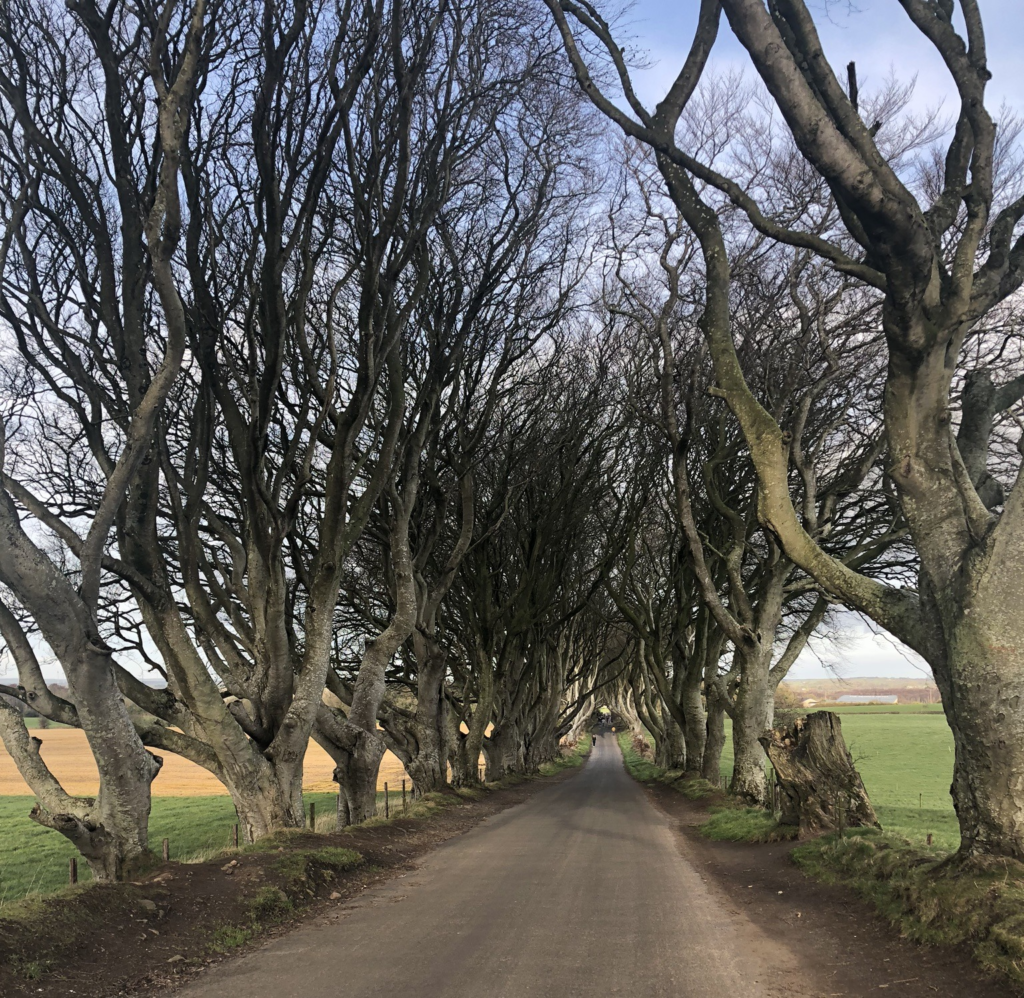
The most famous Game of Thrones filming location in Northern Ireland is the Dark Hedges, which served as the Kingsroad in Season 2, Episode 1. In the scene Arya Stark is travelling with Yoren, Gendry and Hot Pie after escaping King’s Landing.
The Dark Hedges are located near the village of Armoy, slightly off the Causeway Coastal Route. While it requires a short detour, it is well worth the effort to see one of Northern Ireland’s most iconic landmarks.
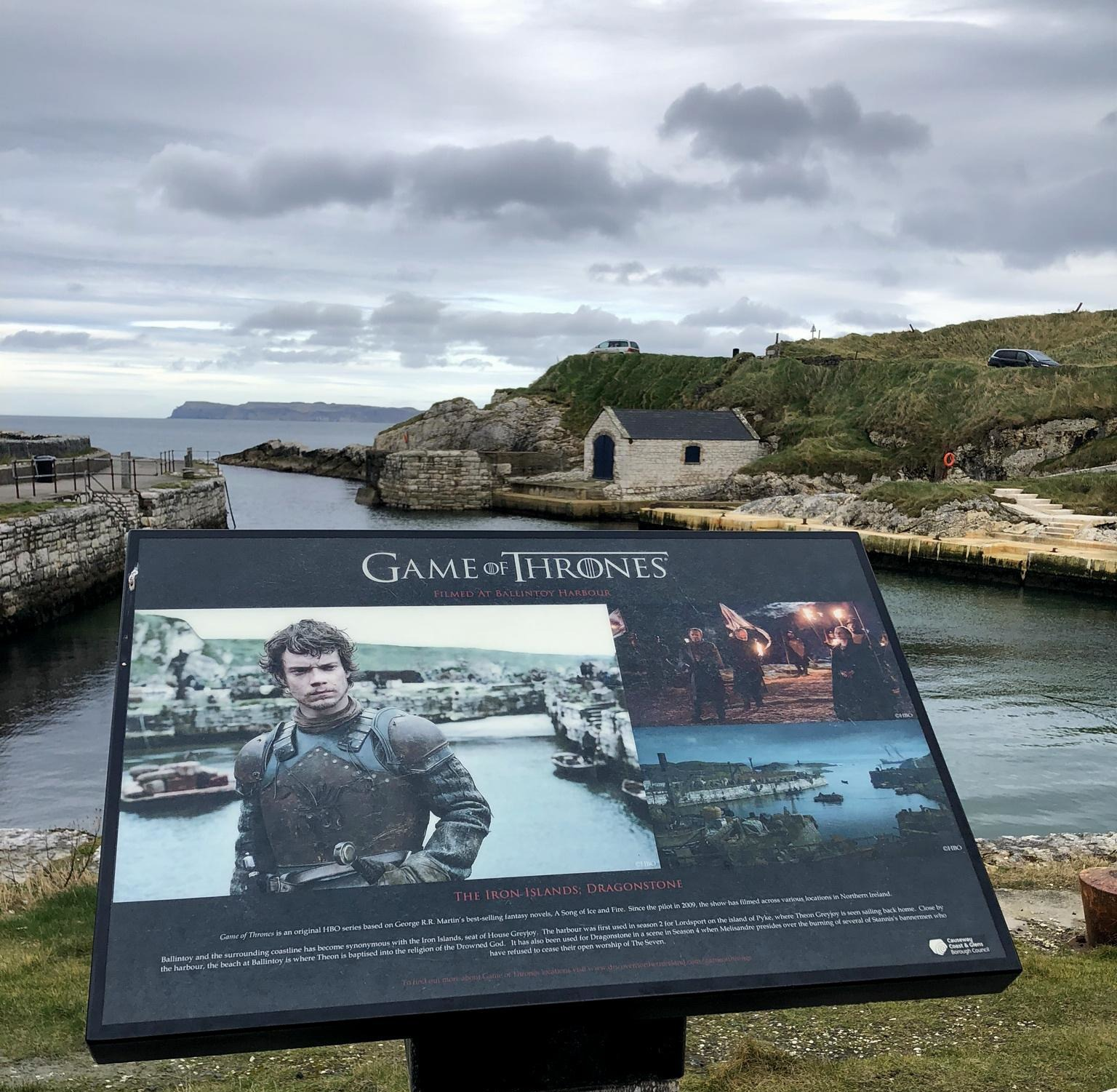
3. Ballintoy Harbour
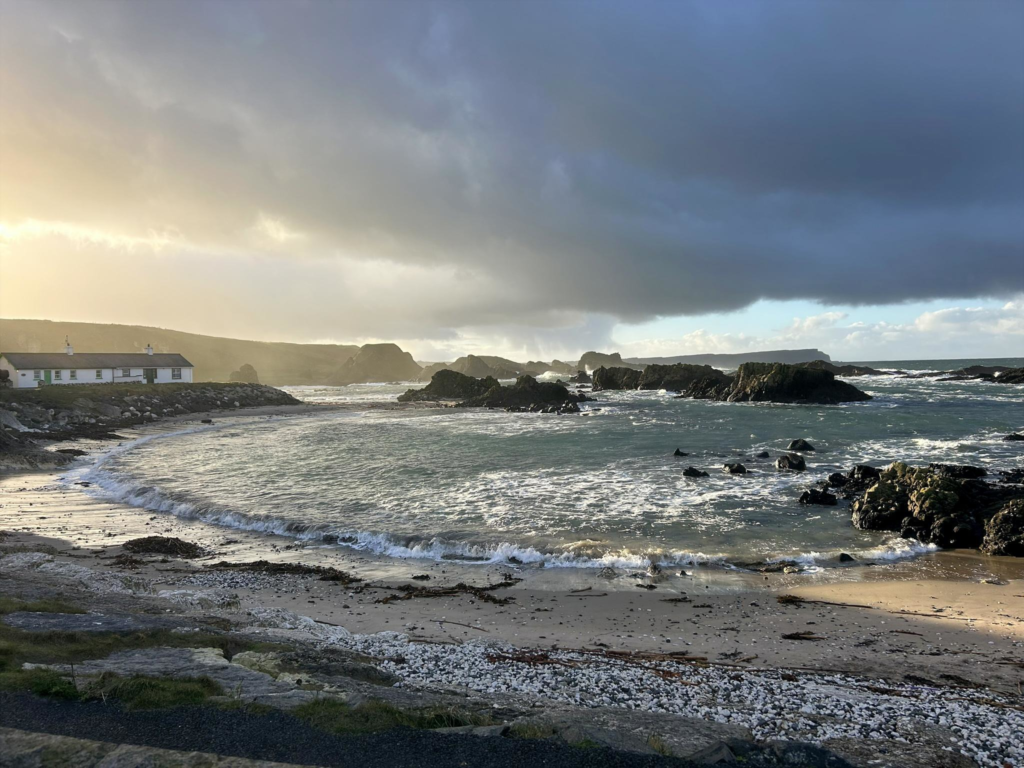
Ballintoy Harbour first appears in Game of Thrones in Season 2, Episode 2, representing Lordsport on the Iron Islands. Theon Greyjoy returns home after ten years as a ward of Winterfell. The harbour is used again in Season 2, Episode 3, as the location of Theon’s baptism into the religion of the Drowned God.
Ballintoy Harbour is conveniently located along the Causeway Coastal Route in between the Giant’s Causeway and Carrick-a-Rede Rope bridge, making it an easy stop.
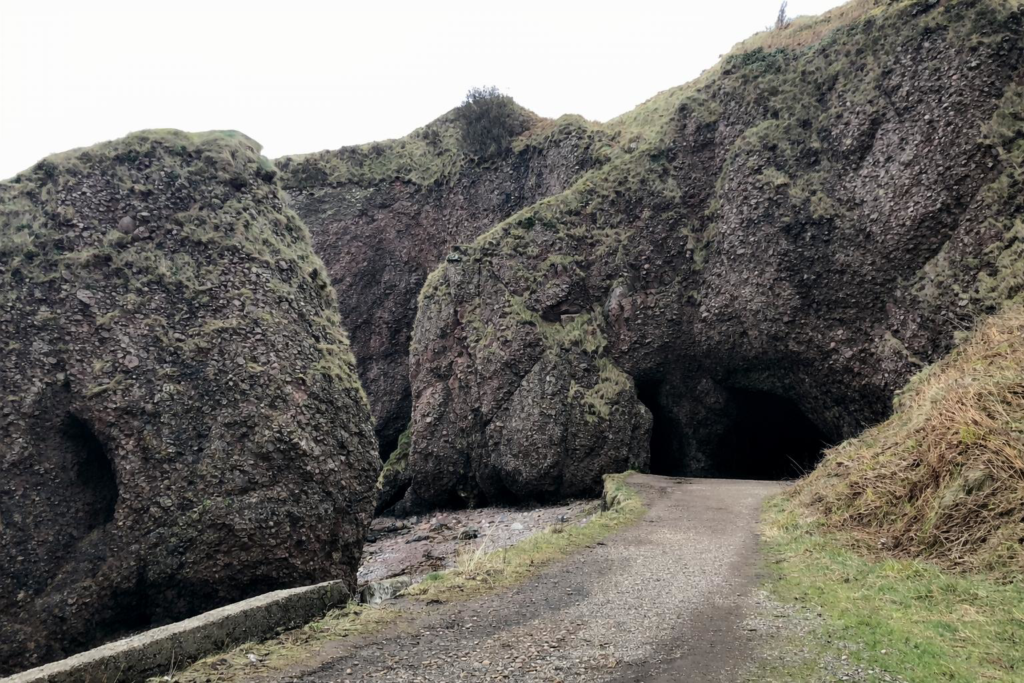
4. Cushendun Caves
Cushendun Caves were used as the setting for one of the show’s most iconic scenes in Season 2, Episode 4, where the Red Priestess Melisandre gives birth to a shadow as Ser Davos Seaworth looks on in horror.
The Caves are located further along the Causeway Coastal Route heading toward Belfast.
5. Carnlough Harbour
At this Game of Thrones filming location, you can see the steps Arya Stark dragged herself up after being wounded by the Waif in Season 6, Episode 7, during her time in Braavos.
Carnlough Harbour is located a short drive from Cushedun Caves along the Causeway Coastal Route.
Filming also took place at the Titanic Studios in Belfast. While the studio itself cannot be visited as it is still as working film studio, you can view the exterior while walking the Glass of Thrones Trail, which features six Game of Thrones-themed stained glass windows showcasing some of the show’s most iconic characters and moments.
You can read my Glass of Thrones, Belfast Guide here.
While you’re in Northern Ireland, don’t miss the Game of Thrones Studio Tour, where you can see original sets, costumes and props from the series up close.
Iceland
Iceland, the Land of Fire and Ice, famous for its volcanoes and glaciers was used for many of the scenes beyond the Wall – the giant fortification guarded by the Night’s Watch separating the Seven Kingdoms from the Wildling’s territory.
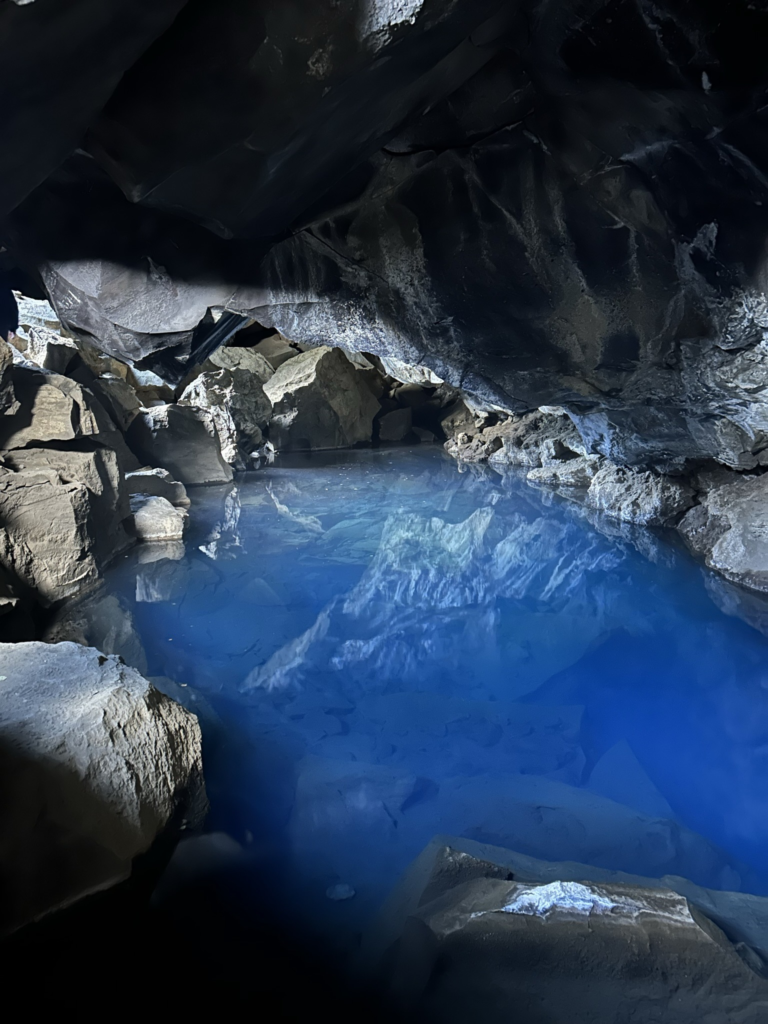
6. Grjótagjá Cave
Grjótagjá Cave is the filming location of one of the show’s most iconic scenes. In Season 3, Episode 5, Jon Snow and the wildling Ygritte have a steamy encounter in the cave.
The cave is easily accessible from the Ring Road in the north of Iceland, unfortunately, you won’t see the waterfall as this was added in post-production with CGI.
7. Kirkjufell
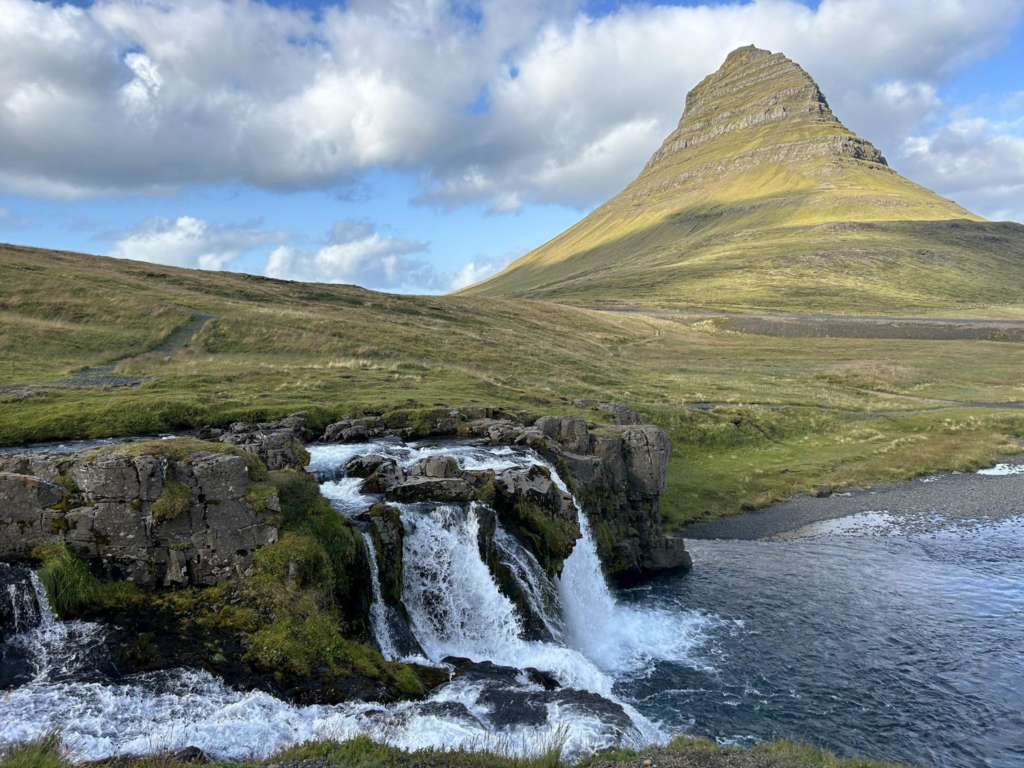
Kirkjufell is one of the most recognisable Game of Thrones filming locations in Iceland. It is featured in Season 6, Episode 5 during the scene showing the Children of the Forest making the first White Walker. The mountain is later featured again in Season 7, Episode 6, when Jon Snow and his group travel beyond the Wall in an attempt to capture a wight to take to King’s Landing.
Kirkjufell is located on the Snæfellsnes Peninsula and is easily accessible as a day trip from Reykjavik.
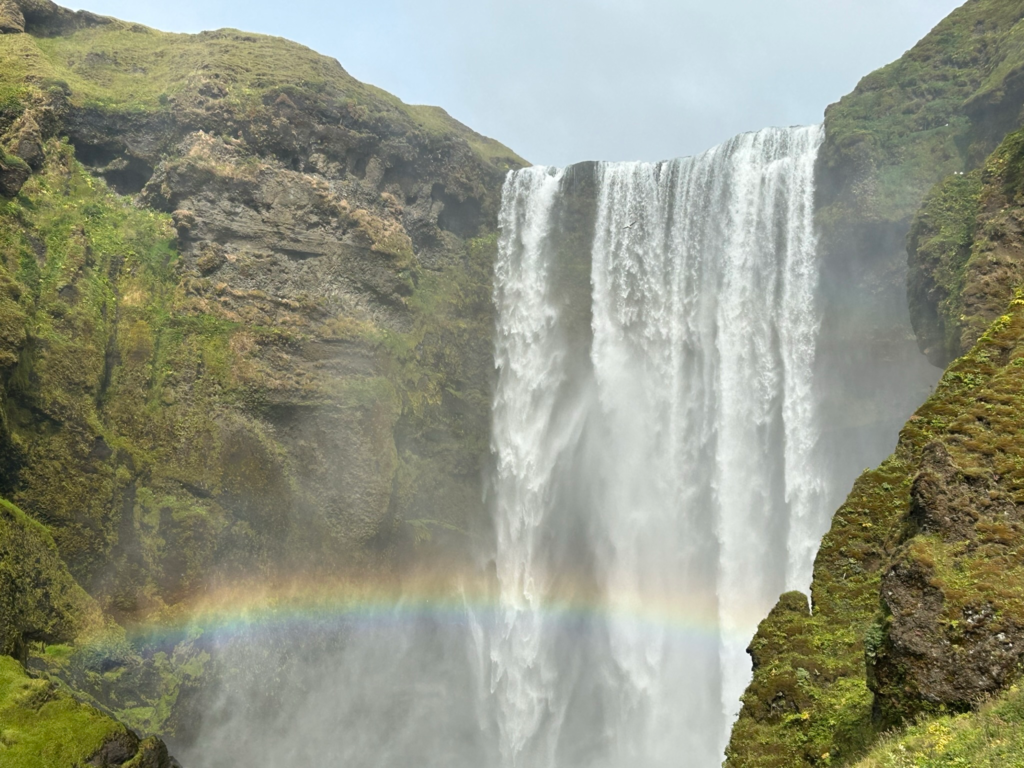
8. Skogafoss
Skogafoss was featured in the first episode of Season 8. In the episode’s opening scenes, Jon Snow and Daenerys Targaryen are riding dragons with the waterfall in the background.
Skogafoss is a popular stop on South Coast day trips from Reykjavik, alongside Seljilandsfoss and Reynisfjara black sand beach. Reynisfjara also appears briefly in Season 7, standing in for Eastwatch-by-the-Sea, a Night’s Watch outpost along the Wall.
9. Thingvellir National Park
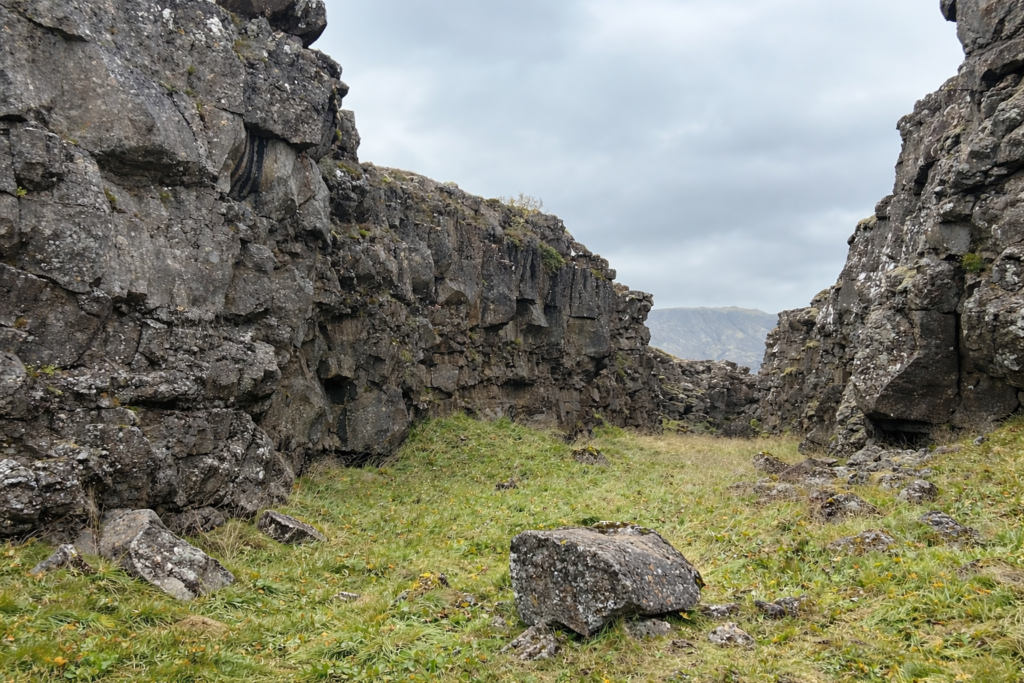
Thingvellir National Park is a highlight of the Golden Circle, Iceland’s most popular day trip from Reykjavik. It is one of the most accessible Game of Thrones filming locations in Iceland.
The park appears in Season 4, Episode 8, when Arya and the Hound arrive at the Bloody Gate in the Vale after months of travelling, only to learn of her Aunt Lysa’s death. It also serves as the backdrop for the fight between the Hound and Brienne in Episode 10 of the same season.
Malta
The Mediterranean country of Malta served as the backdrop for King’s Landing in season 1 of Game of Thrones.
Filming took place in various locations across the islands of Malta and Gozo.
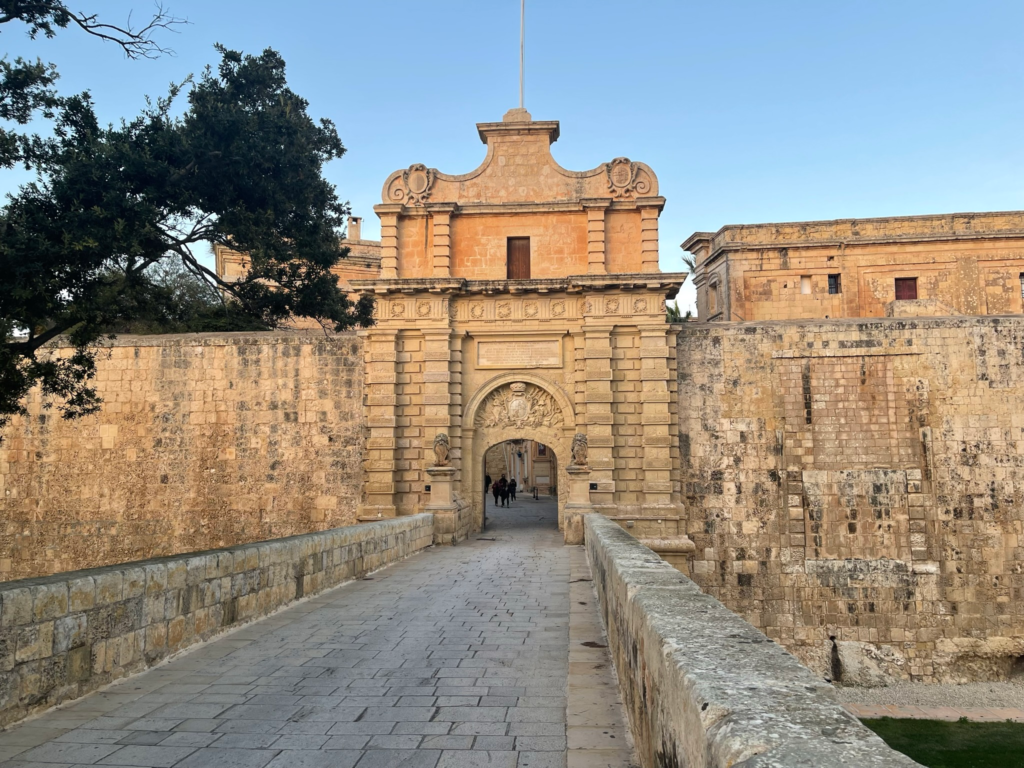
10. Mdina Gate
The Mdina Gate is the most recognisable filming location within the fortified city of Mdina. It appears in Season 1, Episode 3, when Catelyn Stark and Ser Rodrik Cassel ride into King’s Landing, and later in the same episode when Ned says goodbye to his wife.
Mdina, often referred to as the “Silent City”, is home to several Game of Thrones filming locations in Malta. Just beyond the Mdina Gate lies Mesquita Square, which features in Season 1, Episode 5, during the attack on Ned Stark and his guards by Jaime Lannister and his men.
Located a short distance from Valetta, Mdina makes a great half-day trip combined with Rabat and San Anton Gardens.
11. San Anton Palace & Gardens
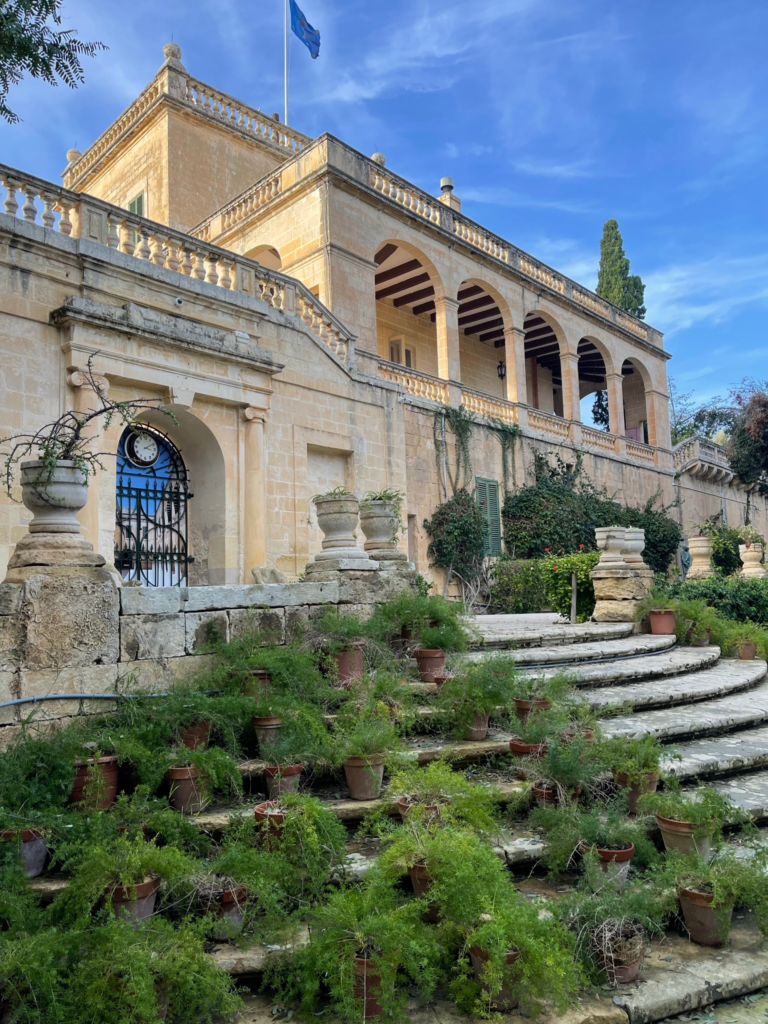
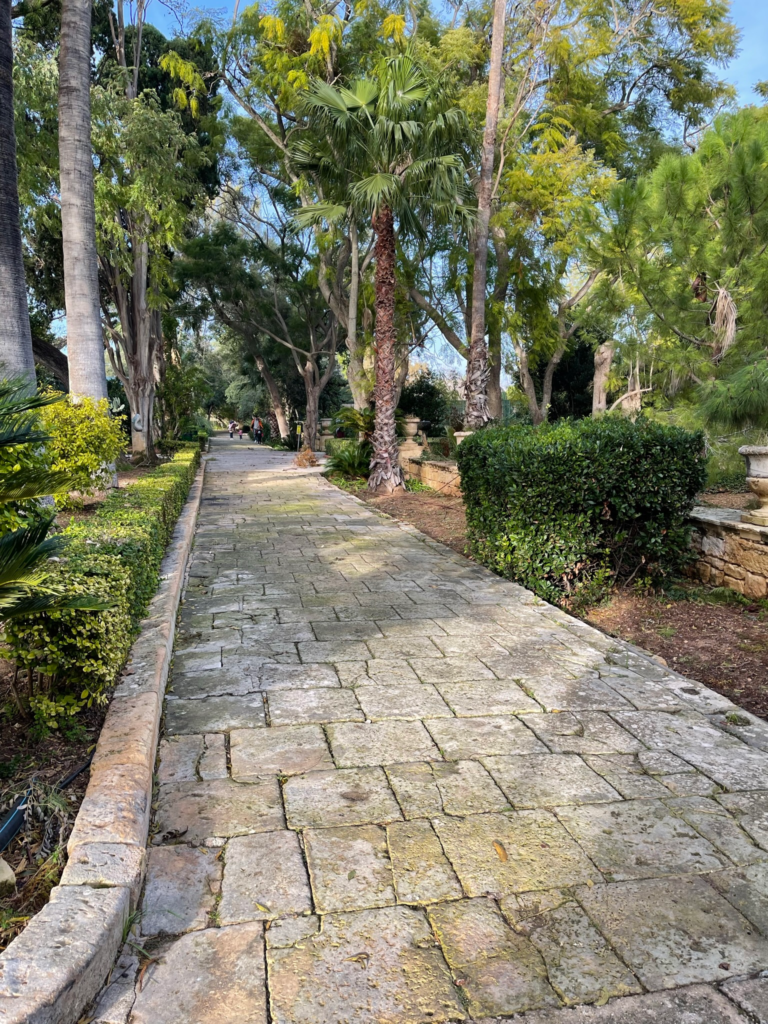
The San Anton Gardens were featured multiple times throughout Season 1, doubling as the Red Keep in King’s Landing.
The gardens appear in Season 1, Episode 4 when Ned and Littlefinger discuss Jon Arryn’s movements before his death, as well as in Episode 8 when Arya uses Needle for the first time and kills the stable boy.
13. Fort St Angelo
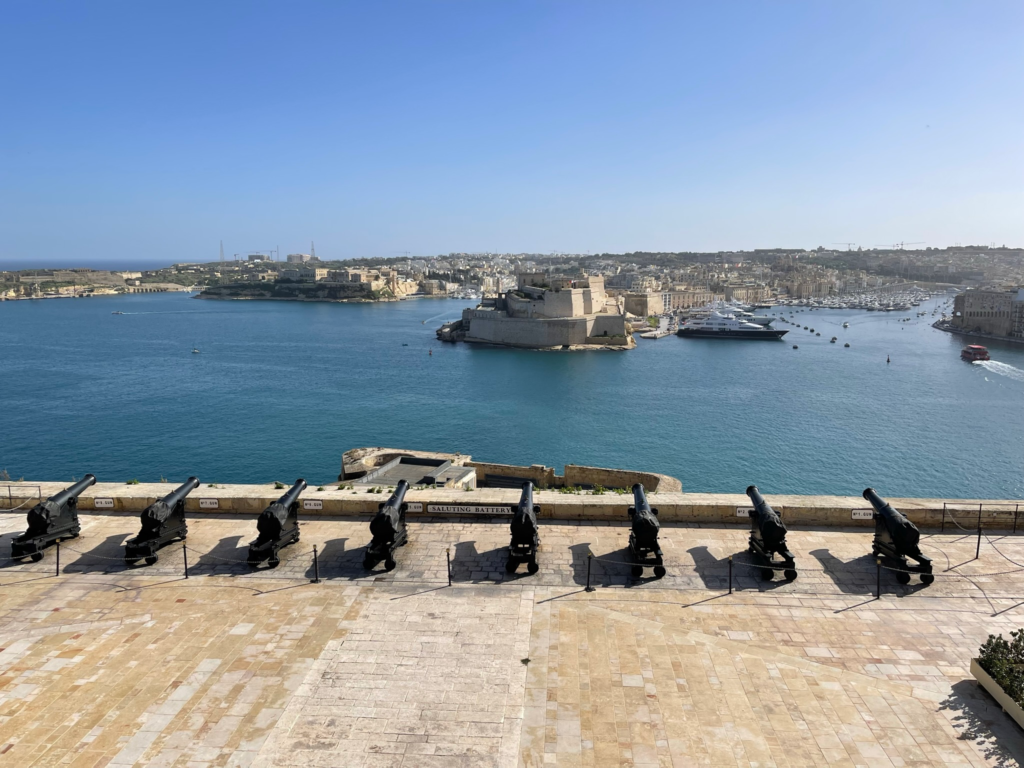
In Season 1, Episode 5, the dungeons of Fort St Angelo were used as part of the Red Keep in King’s Landing. This is where Arya Stark practised chasing cats during her “dancing” lessons with Syrio Forel.
The fort can be seen from the Upper Barrakka Gardens in Valletta.
Croatia
Croatia served as a key filming location from Season 2 onward, providing the backdrop for many of the show’s southern scenes.
The most iconic location is Dubrovnik, whose walled old town was transformed into the capital of King’s Landing and appears extensively throughout the series.
Further north, the port city of Split stood in for the slave city of Meereen, which Daenerys liberates in Season 4.
10. Dubrovnik City Walls
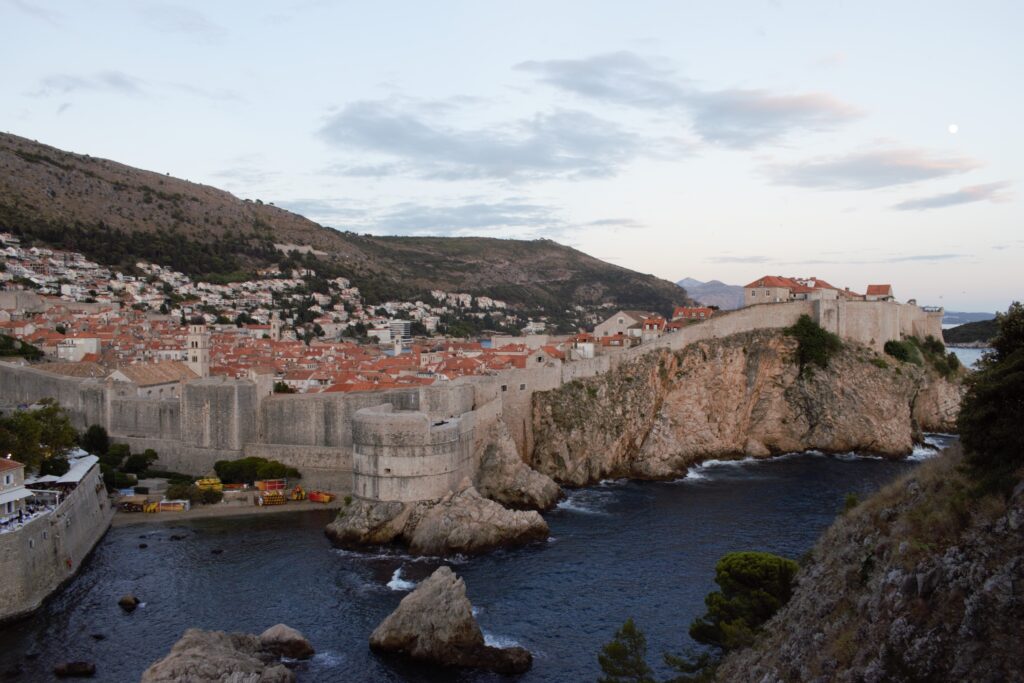
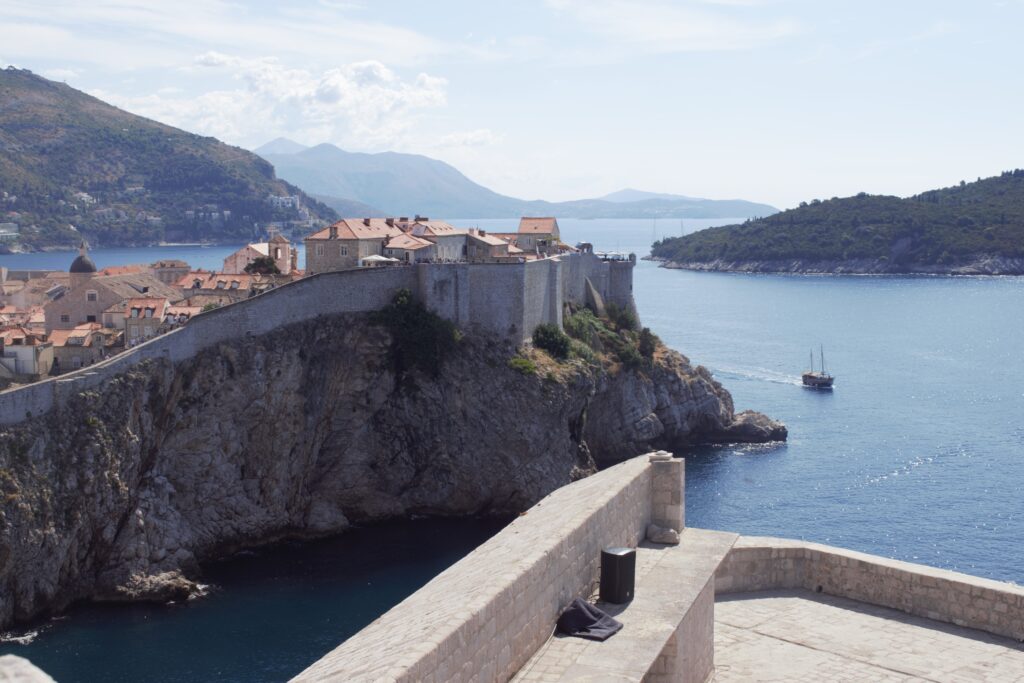
The Dubrovnik City Walls served as inspiration for King’s Landing, with several scenes filmed directly on top of the fortifications.
Fort Bokar, part of the western walls, appears in Season 2, Episode 8, during a conversation between Tyrion and Varys as they discuss the impending Battle of the Blackwater.
Also along the walls is Minčeta Tower, which doubles as the House of the Undying in Season 2, Episode 10. In this scene, Daenerys circles the tower while searching for an entrance after her dragons are stolen in Qarth.
The city walls are the most popular attraction in Dubrovnik. In addition to seeing these iconic Game of Thrones filming locations, visitors are rewarded with sweeping views over the city rooftops, the Adriatic Sea and nearby Lokrum Island, which was also used as a filming location in the series.
11. Fort Lovrijenac
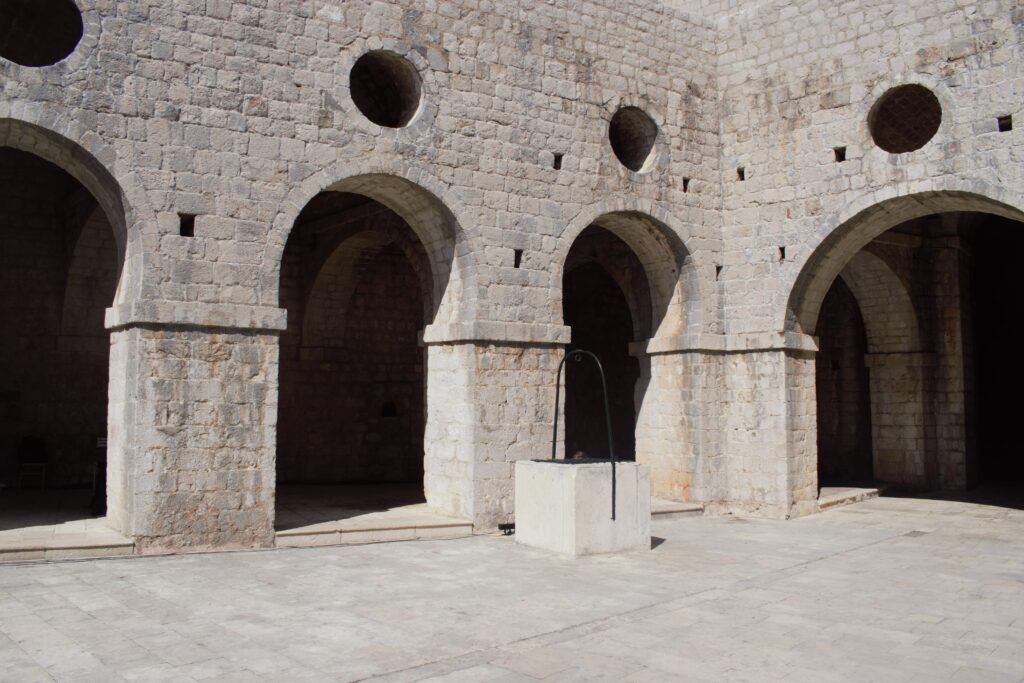
Fort Lovrijenac also known as Fort St Lawrence appears in the first episode of Season 2 and doubles as the Red Keep. The fort is featured multiple times throughout the episode, including scenes of Joffrey watching fights organised to celebrate his name day, as well as a tense conversation between Cersei and Littlefinger.
Located just outside the Dubrovnik City Walls, Fort Lovrijenac is one of the best vantage points for photographing the walls.
12. Jesuit Stairs
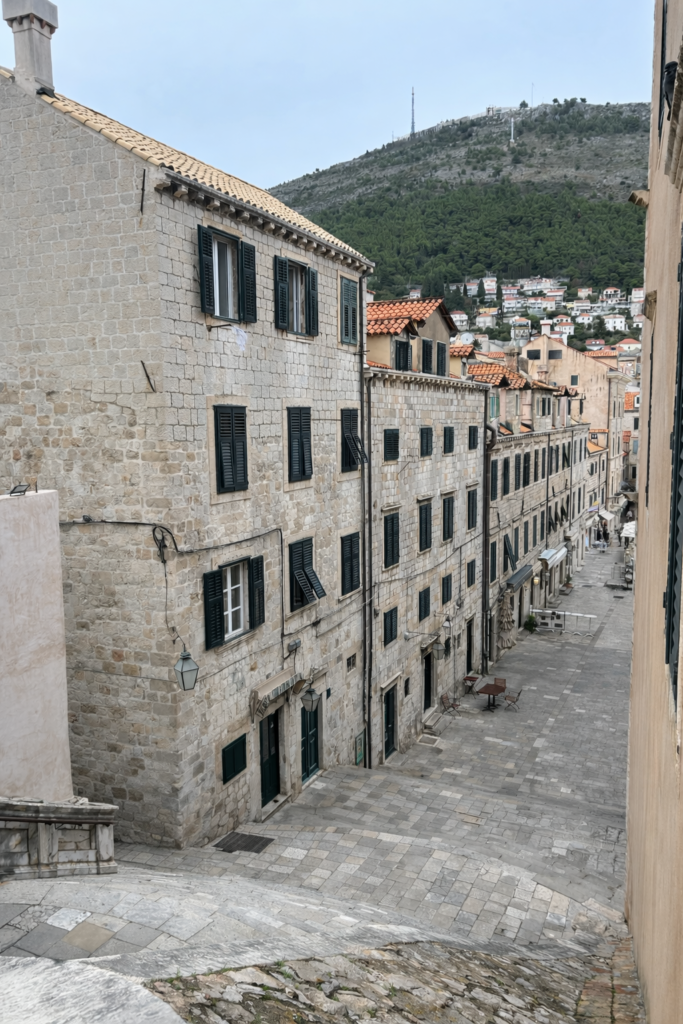
The Jesuit Stairs are one of the most iconic Game of Thrones filming locations in Croatia.
In Season 5, Episode 10, Cersei Lannister begins her infamous walk of atonement here, descending the staircase as Septa Unella rings her bell and repeats the word “shame”.
The steps sit at the foot of the Church of St Ignatius in Dubrovnik’s Old Town. You’re likely to see visitors recreating the scene when you visit.
13. Diocletian’s Palace
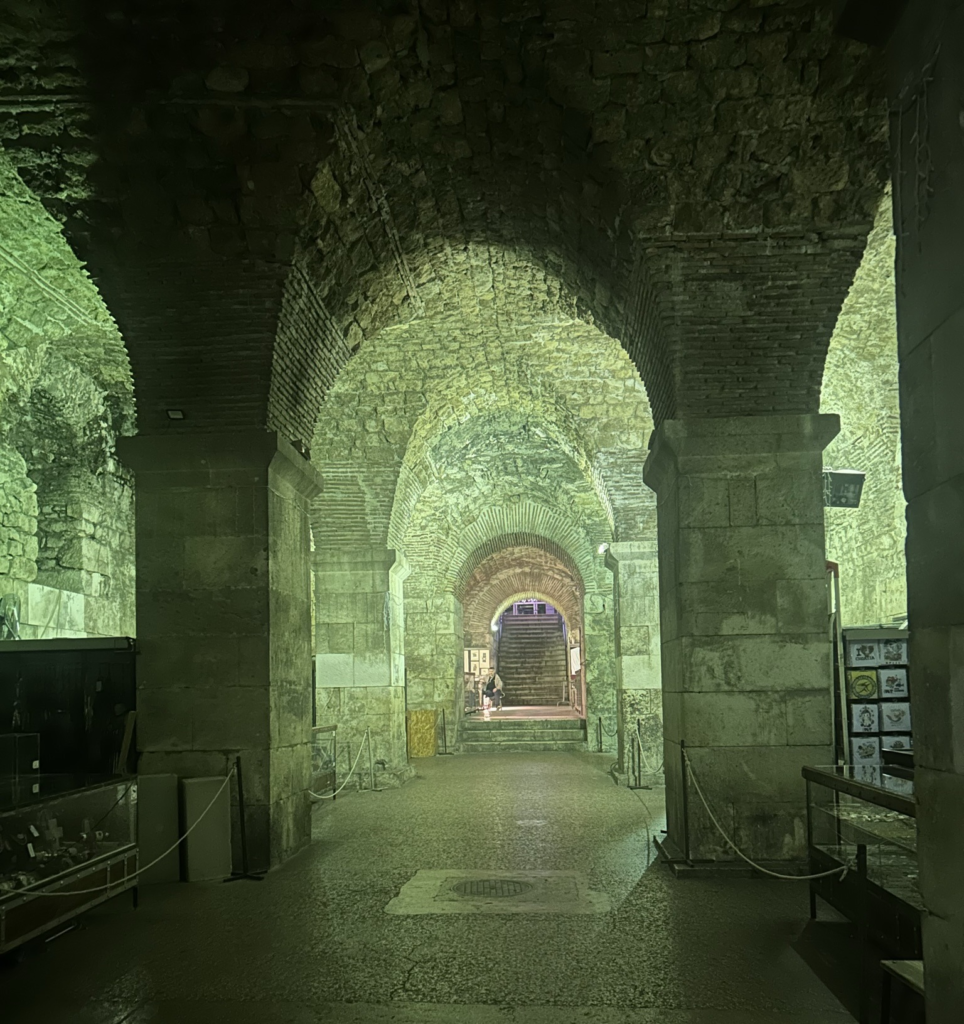
The cellars of Diocletian’s Palace in Split served as the filming location for the dungeons of Meereen.
In Season 5, Episode 9, Daenerys makes the difficult decision to chain up her dragons after they grow larger and increasingly dangerous – with filming taking place here.
Built in the 3rd century for the Roman Emperor Diocletian, the palace forms the heart of Split’s Old Town. There are several other Game of Thrones filming locations nearby, including the setting for the fight between the Unsullied and the Sons of the Harpy in Season 5, Episode 3.
Morocco
Filming in Morocco took place during Season 3 of Game of Thrones, with the dramatic landscape of North Africa providing the backdrop for Daenerys’ scenes in Slaver’s Bay.
In Season 4, filming did not return to Morocco, the third city in Slaver’s Bay, Meereen, was filmed in Croatia instead.
Filming also took place in the nearby Atlas Studios in Ouarzazate. Unlike, the Titanic Studios in Belfast, Atlas Studios offers tours for fans.
Interestingly, the original unaired pilot of Game of Thrones was filmed in Morocco, before production was moved to Malta for the remainder of Season 1.
14. Aït Benhaddou
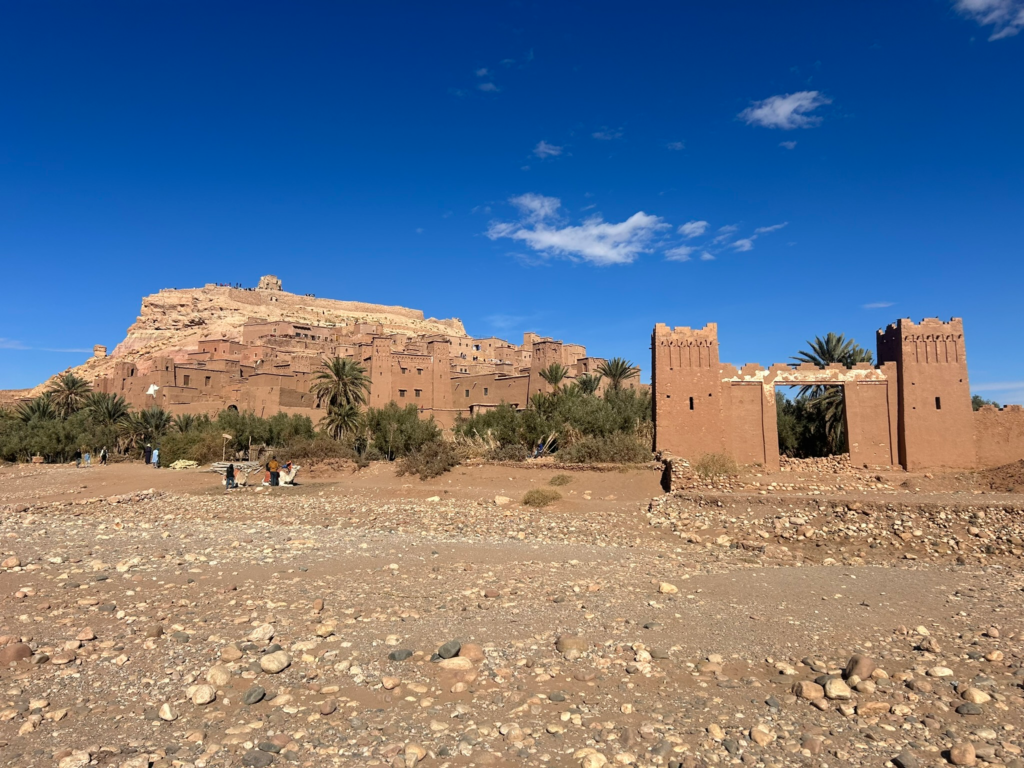
The fortified city of Aït Benhaddou doubled as the great city of Yunkai, appearing in multiple episodes toward the end of Season 3 of Game of Thrones.
In the series, Daenerys – with the help of the Unsullied and Daario Naharis – liberate the city’s slaves. In Episode 10, the freed slaves of Yunkai lift her up and chant “Mhysa” meaning “mother“ in one of the most memorable scenes from the season.
Aït Benhaddou is a UNESCO World Heritage site and is a popular stop for tours to the Sahara from Marrakech. In addition to being a Game of Thrones filming location, numerous Hollywood films have also been filmed here also, including Gladiator, Gladiator II, and Lawrence of Arabia.
15. Essaouira
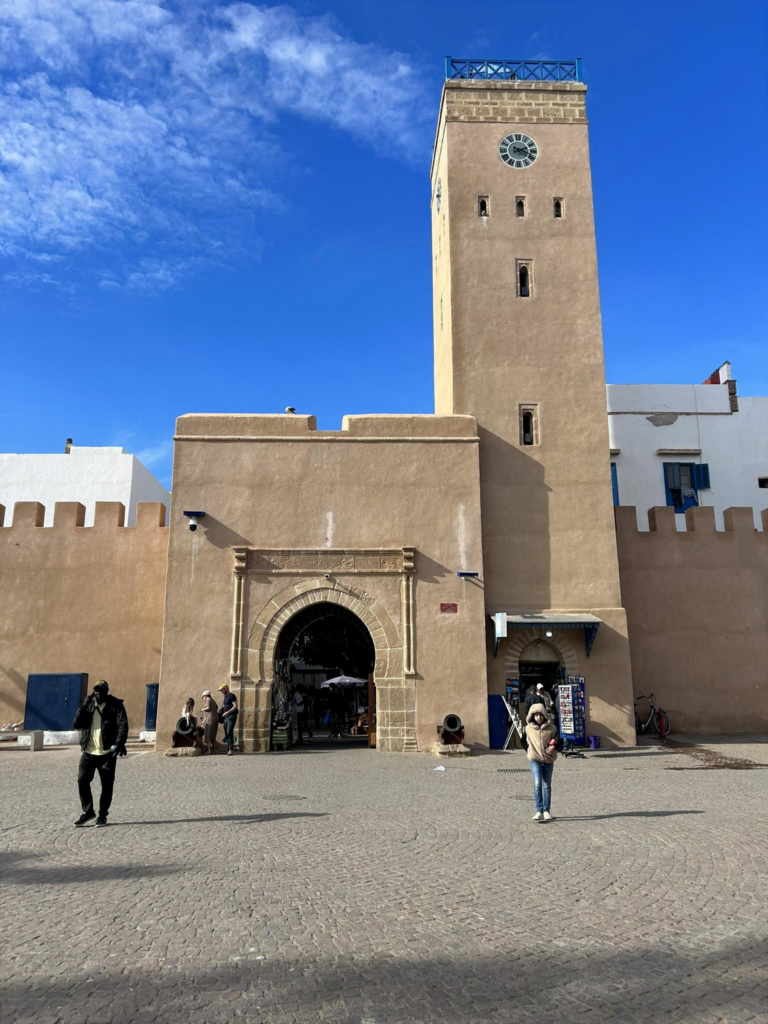
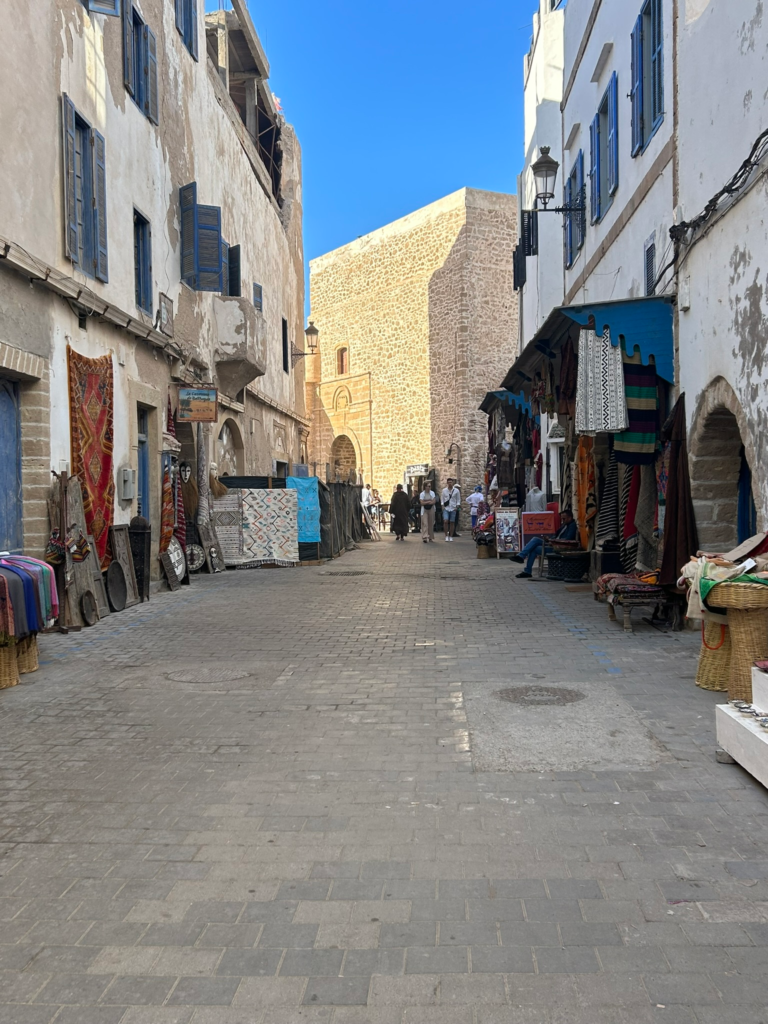
The port city of Essaouira doubled as Astapor, one of the three great city-states of Slaver’s Bay in Game of Thrones.
Essaouira first appears in Season 3, Episode 1, when Daenerys walks along the city’s ramparts with Master Kraznys as she learns about the Unsullied army. The ramparts feature multiple times throughout Season 3.
The harbour, known as Scala du Port, appears in Season 3, Episode 10, when Daenerys is attacked by a warlock disguised as a young girl before being saved by Ser Barristan Selmy.
Essaouira is a coastal town on Morocco’s Atlantic coast, best known for its medina which is a UNESCO World Heritage Site.
Spain
Filming for Game of Thrones began in Spain from Season 5 onwards, with the sunny Mediterranean region of Andalusia being used to depict the southern kingdom of Dorne, ruled by House Martell.
As the series progressed, production expanded across the country, with Spain providing the backdrop for multiple key locations across Westeros and Essos – including King’s Landing, Meereen, Highgarden and Oldtown.
One of the most iconic Game of Thrones filming locations in Spain is San Juan de Gaztelugatxe in the Basque country, which was transformed into Dragonstone in Season 7.
Although I’ve only visited a handful of Game of Thrones filming locations in Spain so far, it’s high on my list to return.
16. Royal Alcázar of Seville
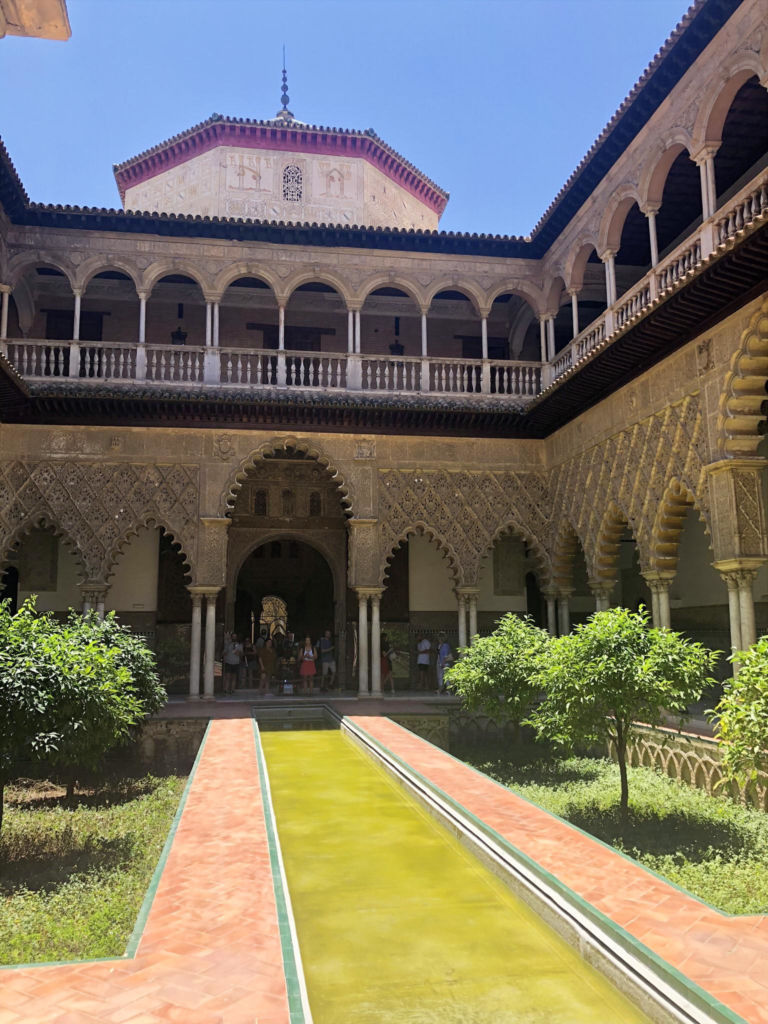
The most well known Game of Thrones filming location in Spain is the Royal Alcázar of Seville, which served as the Water Gardens of Dorne.
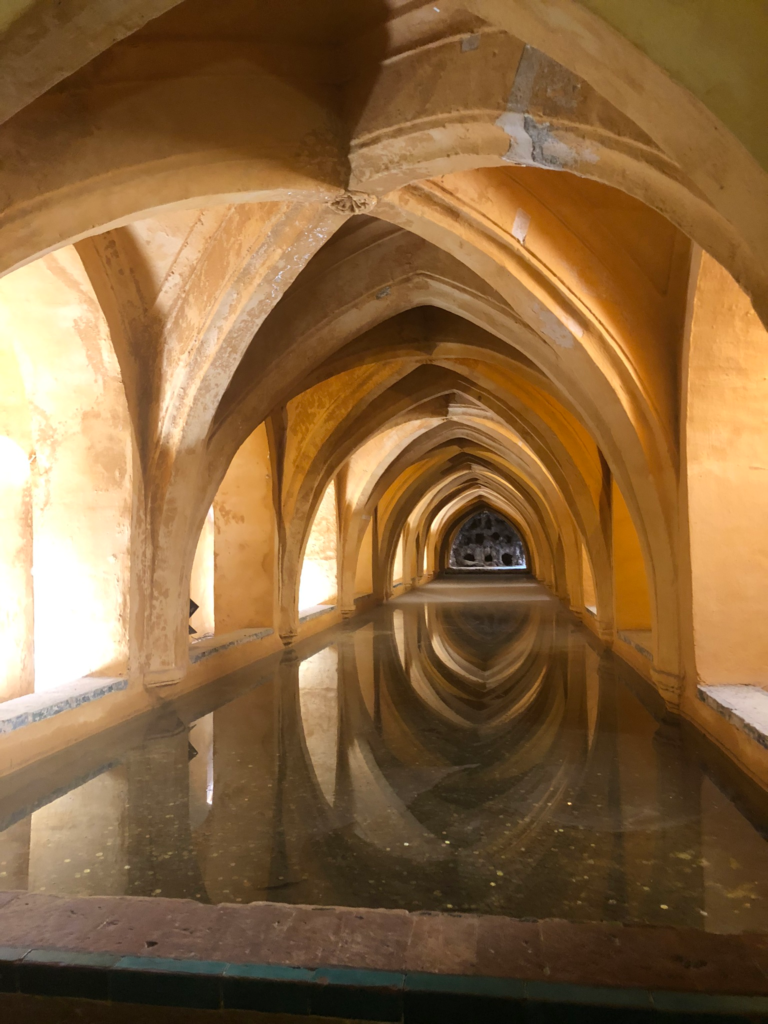
Filming took place across the palace complex, including the Hall of Ambassadors, Mercury’s Pond, the Baths of Lady Maria de Padilla and the surrounding gardens, with multiple appearances throughout Season 5.
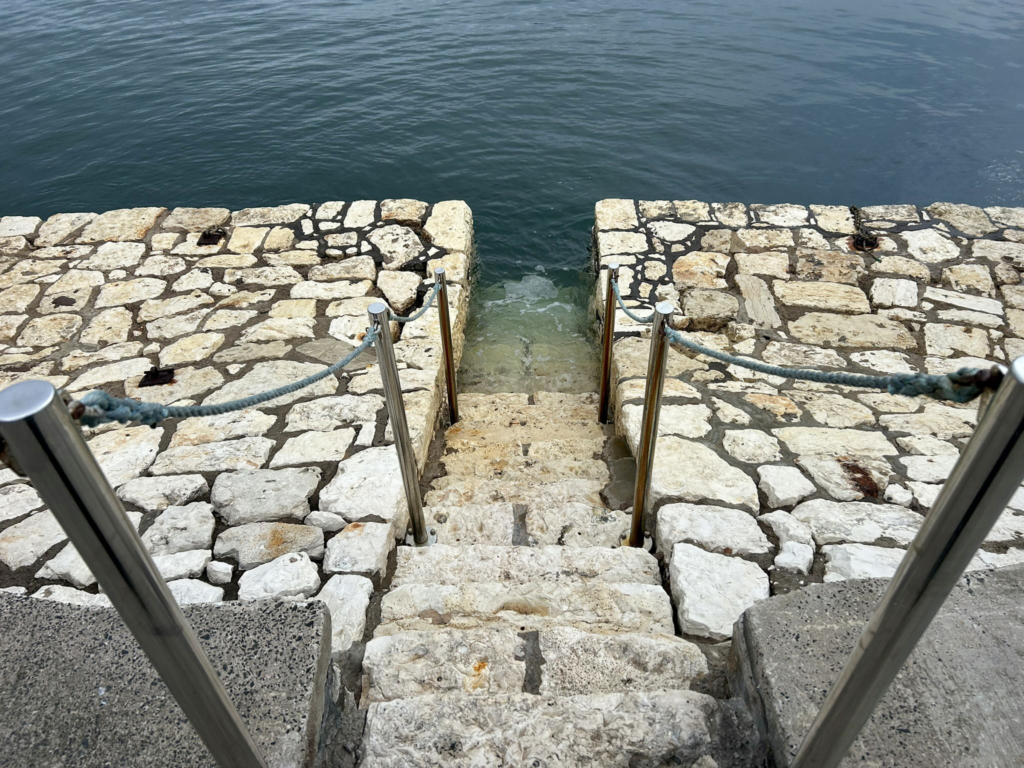
The baths, pictured below, appear in Season 5, Episode 6, when Ellaria Sand meets with the Sand Snakes to plot revenge for the death of Oberyn Martell.
The Royal Alcázar is a Moorish palace in Seville dating back to the 10th century, it was designated a UNESCO World Heritage Site in 1987, and is one of the best things to do in Andalusia.
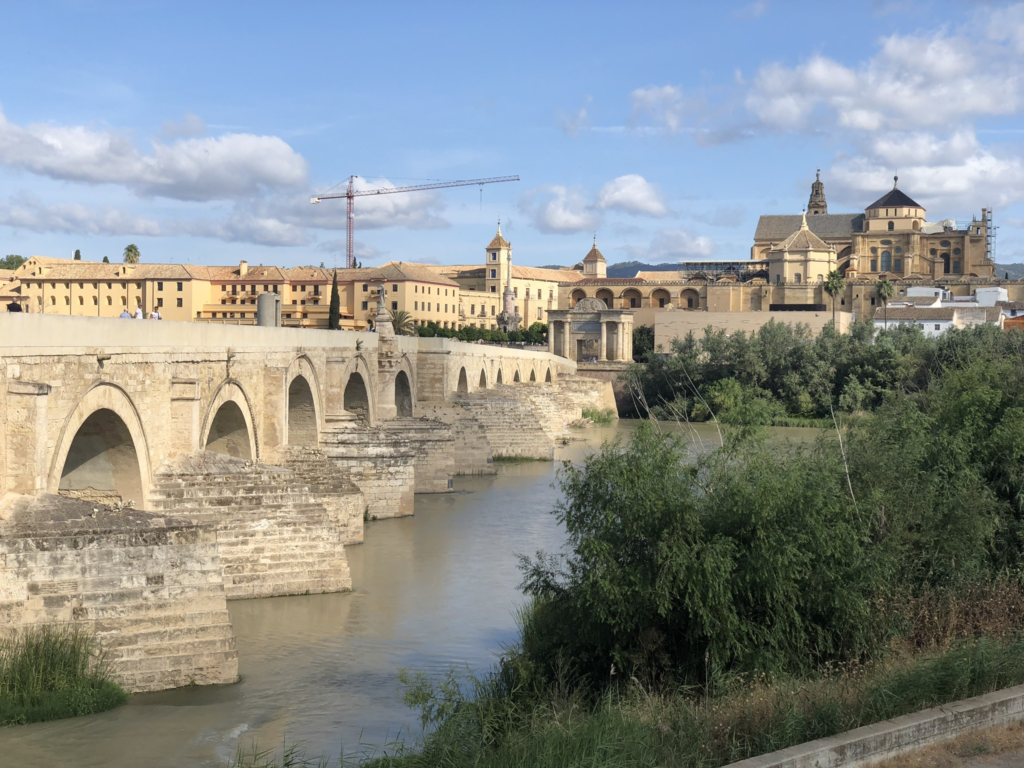
17. Roman Bridge of Córdoba
The Roman Bridge of Córdoba doubles as the Long Bridge of Volantis in Game of Thrones, appearing multiple times throughout Season 5.
Although extensive CGI was added to create Volantis, the structure of the bridge itself remains clearly recognisable in the series.
Córdoba makes for a great day trip from Seville, while you’re there, the famous arches of the Mezquita-Catedral de Córdoba aren’t to be missed.
Final Thoughts on Game of Thrones Filming Locations
From beyond the Wall in Iceland to the southernmost kingdom of Dorne in Spain, and across the Narrow Sea to the cities of Essos in Morocco and Croatia, real-world locations across Europe and North Africa brought Game of Thrones to life.
Seven years after the series finale, fans can still relive the magic by visiting Game of Thrones filming locations across these six countries.